
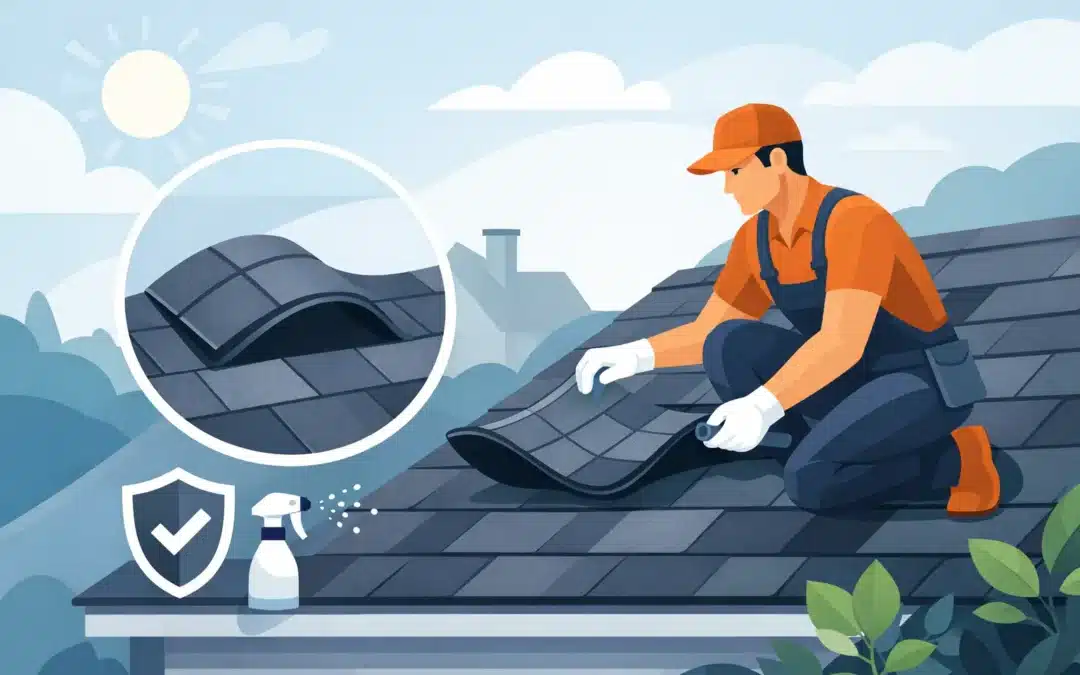
A shingle roof rarely fails all at once. More often, the warning signs begin at the edges: granules collecting in gutters, color fading across sun-facing slopes, and shingles that feel dry, stiff, or prone to cracking. If you are researching how to make shingles flexible again, the goal is not to make an old roof look better for a season. It is to address the loss of protective oils that can leave aging asphalt shingles vulnerable to further weathering.
For the right roof, restoration can be a practical alternative to premature replacement. It can help preserve a functioning roofing asset, improve curb appeal, and delay the cost, disruption, and landfill waste of a full tear-off. The key is knowing what flexibility means, what a treatment can realistically accomplish, and when replacement is still the responsible choice.
Why Asphalt Shingles Become Brittle
Asphalt shingles are designed to protect a home through heat, rain, wind, and changing temperatures. Their asphalt layer contains oils that help the material remain pliable as the roof expands and contracts. Over time, intense UV exposure, heat, oxidation, and repeated weather cycles deplete those oils.
When that happens, shingles can become less flexible. A brittle shingle is more likely to crack when temperatures shift, lose protective granules, or break during routine maintenance. South- and west-facing roof planes often show the most advanced aging because they receive more direct sun.
Granule loss adds to the cycle. Granules help shield the asphalt layer from UV radiation. As they loosen and wash into gutters, more of the shingle surface is exposed, which can accelerate drying and deterioration. Fading, rough texture, and minor edge wear may be signs that the roof needs attention, but they do not automatically mean replacement is necessary.
How to Make Shingles Flexible Again With Restoration
The most effective way to make aging shingles more flexible is not to cover them with a generic roof coating or spray them with an unproven product. A proper restoration process uses a professional treatment formulated to penetrate aging asphalt shingles and replenish the oils lost through weathering.
Roof Shield uses a proprietary biodegradable treatment designed to restore flexibility at a molecular level. Applied by a certified professional, the treatment is absorbed into eligible asphalt shingles rather than creating a surface film that can peel, trap moisture, or change the roof’s intended water-shedding design. The result is a roof that can regain flexibility while also receiving visible benefits such as refreshed color and reduced ongoing granule loss.
This approach works best when shingles are weathered but still structurally sound. Restoration is preservation, not a shortcut for a roof that has reached the end of its useful service life.
Start With a Professional Roof Assessment
Before any treatment is applied, the roof must be evaluated for eligibility. A qualified inspection should look beyond the roof’s appearance. The condition of the decking, flashing, penetrations, valleys, ridge areas, gutters, and ventilation all matter.
A restoration candidate typically has aging asphalt shingles with signs of drying, fading, or normal granule loss, but no major structural damage or active leak caused by failed roofing components. The roof should also have enough remaining shingle integrity for the treatment to deliver meaningful value.
A trustworthy provider will be clear if your roof is not a fit. If shingles are severely cracked, missing in multiple areas, lifting broadly, damaged by hail, or installed over compromised decking, restoration may not be the right answer. In those cases, repair or replacement protects the home better than any treatment can.
Clean the Roof Before Treatment
A roof should be clean before restoration begins. Organic growth, loose debris, and surface contamination can interfere with an even application and hide conditions that need attention first.
Cleaning should be handled carefully. High-pressure washing can dislodge granules and damage aging shingles, especially when the roof is already brittle. A professional process should use roof-appropriate methods that remove buildup without creating more wear.
Clean. Restore. Protect. That sequence matters because it allows the treatment to reach the shingle surface consistently and gives the applicator a clearer view of the roof’s true condition.
Apply an Asphalt-Shingle-Specific Treatment
Not every roof product is made for asphalt shingles. Paints, thick coatings, DIY sealants, and oil-based mixtures can create more problems than they solve. They may alter the roof’s appearance, interfere with drainage, void manufacturer coverage, or fail prematurely under heat and weather.
A purpose-built restoration treatment is different. It is formulated to be absorbed by the shingle, helping replenish flexibility without relying on a thick membrane across the roof. Proper application rates, weather conditions, and coverage are essential, which is why certified application matters.
The treatment should be applied evenly and according to the product’s specifications. Homeowners should expect their provider to explain what will happen on application day, whether landscaping needs protection, how long the process takes, and what results are reasonable for their roof’s age and condition.
What Restoration Can and Cannot Fix
Roof restoration can help an eligible roof resist the effects of aging by improving shingle pliability and supporting the roof’s remaining service life. It can also improve the home’s appearance without the noise, debris, and major expense associated with replacement.
Still, it is not a cure for every roofing issue. It cannot repair rotted decking, correct improper installation, reverse storm damage, replace missing shingles, or solve leaks caused by failed flashing. It also cannot turn a roof that is already beyond repair into a long-term asset.
That distinction is good for homeowners and good for the roofing industry. A restoration-first conversation should never mean ignoring a necessary replacement. It means evaluating whether a roof deserves to be preserved before committing the budget and materials required for a tear-off.
Signs Your Roof May Be a Good Candidate
Age alone does not determine whether a roof can be restored. A 12-year-old roof in extreme sun may be more weathered than an 18-year-old roof with good ventilation and moderate exposure. The better question is whether the roofing system is intact and the shingles are aging in a way that restoration can address.
You may have a strong candidate if the roof is generally watertight, shingles remain securely installed, and the primary concerns are fading, drying, minor granule loss, and reduced flexibility. A home inspection or roofing assessment can help separate normal aging from defects that require repair.
It also pays to act before the roof becomes severely brittle. Once widespread cracking, missing shingles, and water intrusion develop, the options narrow. Early evaluation gives homeowners more control over timing, budget, and the condition of their property.
The Financial and Environmental Case for Preservation
Replacement has its place, but it should not be the automatic answer for every aging shingle roof. A full replacement can be expensive, disruptive, and material-intensive. When an existing roof remains structurally viable, extending its functional life can be a smarter use of resources.
Restoration helps homeowners protect the value already installed on their home. Instead of removing thousands of pounds of roofing material before it is truly necessary, they can potentially preserve the roof they have while planning future replacement on their own timeline. That can reduce landfill waste and provide meaningful budget relief.
For roofing professionals, restoration also creates a valuable service category between cleaning and replacement. It gives customers an honest preservation option and gives contractors a differentiated way to serve roofs that are not ready for a tear-off. The best providers pair that opportunity with clear inspections, trained application, and warranty-backed accountability.
Choose a Provider That Treats the Roof as an Asset
If flexibility has been lost because shingles are drying out, the right restoration process can help protect what is still working. Look for a provider that evaluates the complete roof system, uses technology designed specifically for asphalt shingles, and explains both the benefits and the limits of treatment.
Your roof does not have to be brand-new to deserve protection. Addressing weathered shingles while the roof is still viable can give your home more time, more curb appeal, and a more responsible path forward.