
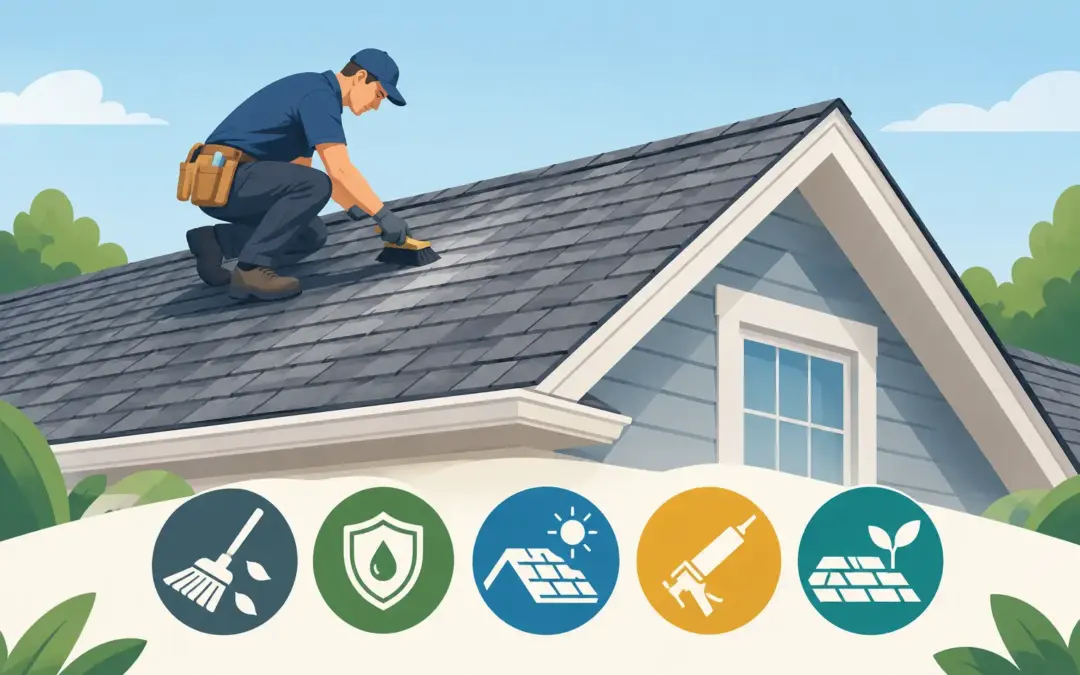
A roof rarely fails all at once. For most homeowners, the warning signs arrive gradually: fading color, shingle edges that curl slightly, granules collecting in gutters, and a roof that looks older than the rest of the home. The best roof preservation methods address that gradual wear early, before a serviceable asphalt shingle roof is pushed into an expensive, disruptive replacement.
Preservation is not about masking a problem. It is about understanding what is happening to the roof, protecting the materials that still have useful life, and choosing the right level of service. Some roofs need routine maintenance. Others can benefit from professional restoration. And some are genuinely at the end of their lifespan and need replacement. The smarter decision starts with an honest assessment.
Why Asphalt Shingles Need Preservation
Asphalt shingles are built to withstand sun, rain, wind, and changing temperatures, but those forces slowly break down the oils and flexibility that help shingles perform. Ultraviolet exposure dries the asphalt layer. Repeated expansion and contraction can make shingles less pliable. As they become brittle, granules are more likely to loosen, leaving the roof with less protection and a worn appearance.
That process does not automatically mean the roof has failed. A weathered roof may still be structurally sound, properly installed, and free of active leaks. In that situation, preservation can help extend functional life while avoiding the cost, landfill waste, and inconvenience of replacing materials too soon.
The key is timing. A roof with widespread missing shingles, active water intrusion, soft decking, or major storm damage needs repair or replacement first. Preservation works best when it is used proactively on aging shingles that remain fundamentally intact.
Start With a Professional Roof Condition Assessment
The most valuable preservation method is also the least flashy: get a qualified professional to evaluate the roof before making a decision. A proper assessment looks beyond surface color. It considers shingle condition, flashing, penetrations, ridge areas, drainage, ventilation, previous repairs, and signs of moisture beneath the roofing system.
Homeowners can spot obvious concerns from the ground, including dark streaks, gutter granules, sagging rooflines, or shingles that appear lifted after a storm. But walking on an older roof can cause damage, and many important details are not visible from a driveway. A professional inspection helps separate normal aging from conditions that need immediate attention.
For contractors, a thorough assessment builds trust and creates a better customer experience. Replacement should never be the automatic answer simply because a roof looks aged. When the roof is a candidate for preservation, showing the homeowner why can create a more affordable and sustainable path forward.
Keep Water Moving Where It Belongs
Standing water and poor drainage accelerate roof wear. Gutters clogged with leaves and granules can cause water to back up at the eaves, where it may affect shingle edges, fascia, and the roof deck over time. Downspouts that discharge too close to the house can also contribute to foundation and moisture problems.
Clean gutters at least twice a year, and more often if the property has mature trees. Check that downspouts are secure and direct water away from the home. While the gutters are being serviced, inspect for concentrated granule accumulation. A small amount is expected as shingles age, but heavy or sudden buildup deserves professional attention.
Tree branches deserve the same practical attention. Overhanging limbs can scrape shingles, trap moisture, and provide easy access for squirrels and other pests. Pruning branches back from the roof improves airflow and reduces unnecessary abrasion during wind events.
Clean Carefully, Not Aggressively
Algae, moss, lichen, and debris can make a roof look neglected and may hold moisture against the shingles. Cleaning can improve appearance and help expose areas that need repair, but the method matters as much as the result.
High-pressure washing is not a preservation strategy for asphalt shingles. Aggressive pressure can dislodge protective granules, damage shingle edges, and shorten the roof’s service life. Harsh, unapproved chemicals can create their own problems for landscaping, gutters, and roofing materials.
A roof should be cleaned using a process designed specifically for asphalt shingles and the visible growth present. The goal is to remove contaminants without stripping the protective surface. Contractors should explain the cleaning method clearly, protect surrounding property, and avoid promising that every dark stain is a structural issue. Often, it is cosmetic. Sometimes, it signals a moisture or drainage concern that should be addressed.
Repair Small Defects Before They Grow
A missing shingle, failed pipe boot, loose flashing detail, or cracked sealant line can let water reach areas where it does not belong. These are often manageable repairs when caught early. Left alone, they can lead to damaged decking, insulation issues, interior staining, and a far more costly project.
Preservation is most effective when basic repairs come first. Replace damaged shingles with compatible materials where possible. Secure loose flashing. Address worn seals around vents and penetrations. Confirm that ridge caps and transition areas are intact. These details are small compared with a full replacement, but they do much of the work of keeping the roofing system watertight.
Homeowners should also pay attention after major weather events. Wind and hail damage can be subtle, and waiting until a ceiling stain appears is rarely the most economical approach.
Consider Shingle Restoration for Eligible Roofs
For aging asphalt shingle roofs that are dry, structurally sound, and no longer performing at their best, restoration may be the most compelling preservation option. Rather than covering up the roof or replacing it prematurely, a professional treatment can help rejuvenate weathered shingles at a molecular level.
This approach is designed to restore flexibility to dried-out shingles, reduce ongoing granule loss, revitalize color, and help extend the roof’s functional life. The difference is meaningful: cleaning addresses the surface, while restoration addresses the aging condition of the shingle material itself.
Roof Shield provides a proprietary biodegradable treatment applied by certified professionals to qualifying asphalt shingle roofs. The process is built around a simple promise: Clean. Restore. Protect. When the roof is an appropriate candidate, homeowners can preserve a major home asset for substantially less than the cost of replacement while reducing unnecessary tear-off waste.
Eligibility matters. A restoration treatment is not a substitute for correcting leaks, replacing missing sections, or repairing a compromised roof deck. The best providers explain that distinction upfront, inspect the roof carefully, and stand behind qualifying work with clear warranty coverage.
Improve Ventilation and Attic Conditions
The roof works with the attic, not separately from it. Excessive heat and trapped moisture in the attic can contribute to premature shingle aging, especially in hot climates or homes with inadequate airflow. Poor ventilation may also encourage condensation, which can affect roof decking and insulation.
A roofing professional can assess whether intake and exhaust ventilation are balanced and whether bathroom or kitchen exhaust is venting properly. Attic insulation should not block soffit vents, and air leaks from the living space should be addressed when they add unnecessary heat and moisture overhead.
Ventilation upgrades are not always required for every preservation project. Still, if attic conditions are contributing to the roof’s decline, correcting them can protect the value of any cleaning, repair, or restoration work performed above.
Choose Preservation Based on Roof Stage, Not Fear
The best roof preservation methods are not one-size-fits-all. A relatively new roof may need little more than gutter care, debris removal, and occasional inspection. A middle-aged roof with a few localized defects may benefit from targeted repairs and improved drainage. An older, weathered asphalt shingle roof that remains structurally sound may be an excellent restoration candidate.
What homeowners should avoid is making a decision based solely on appearance or a high-pressure replacement recommendation. A faded roof can still have years of functional life. Conversely, a roof that looks acceptable from the ground may have hidden moisture damage that requires more significant work. Condition, not assumptions, should drive the plan.
For roofing and home-service professionals, this creates an opportunity to offer more than a single outcome. A preservation-first conversation gives customers options, protects their budget, and differentiates a business through practical expertise rather than replacement-only sales.
A Roof Is Worth Protecting Before It Is Worth Replacing
Roof preservation works best as a planned part of home maintenance, not a last-minute reaction to a leak. Inspect the roof regularly, keep drainage clear, repair small defects promptly, clean with care, and explore professional restoration while the shingles remain eligible. Those steps can preserve curb appeal, control costs, and keep usable roofing materials out of the landfill longer.
The right next step is simple: ask for a condition-based evaluation and choose the solution that matches what the roof actually needs.