
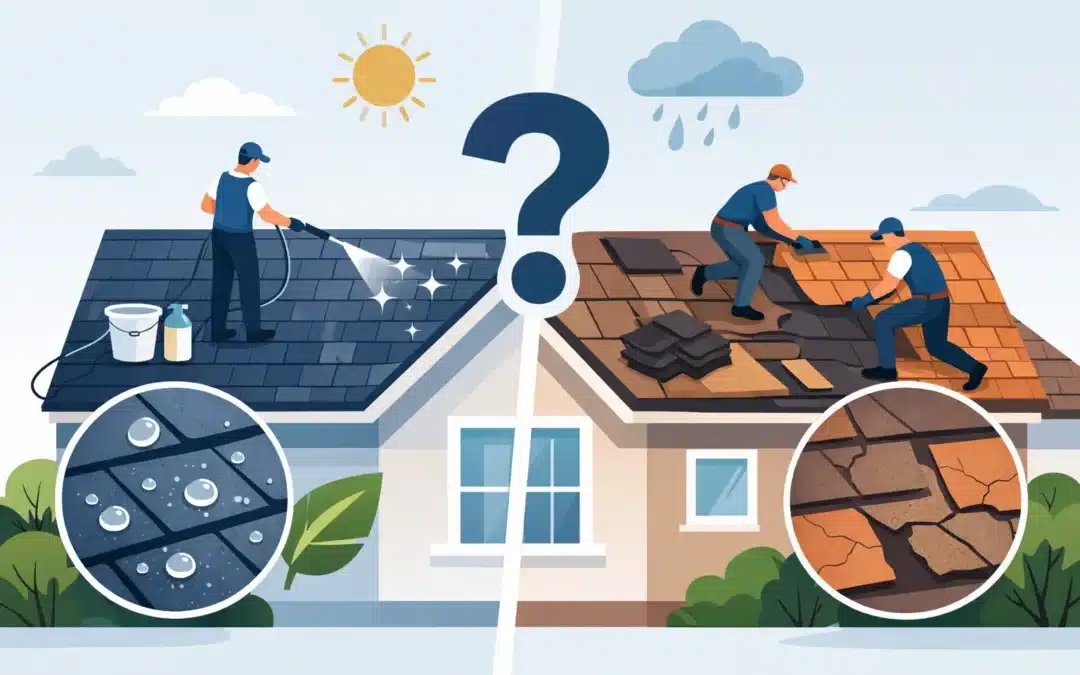
A roof can look tired long before it is truly finished. Fading color, brittle shingles, and growing granule loss often trigger the same expensive recommendation: replace it. But roof treatment instead of replacement can be a smarter path when an aging asphalt shingle roof is still structurally sound and simply needs its protective qualities restored.
For homeowners, the difference can mean preserving a major asset, avoiding a disruptive tear-off, and delaying a large capital expense. For roofing and home-service professionals, it creates a valuable restoration category between minor repair work and full replacement. The key is knowing when treatment fits the roof and when replacement remains the responsible call.
What Roof Treatment Is Designed to Solve
Asphalt shingles are built with oils that help keep them flexible and weather-resistant. Years of sun exposure, changing temperatures, rain, and wind gradually dry those oils out. The shingles can become rigid, lose granules more quickly, and take on a dull, weathered appearance.
A quality rejuvenation treatment is designed to address that aging process, not hide it. Rather than coating over the roof like paint, Roof Shield’s proprietary biodegradable treatment penetrates weathered asphalt shingles to help restore lost flexibility at a molecular level. The goal is straightforward: extend the functional life of a roof that still has a sound foundation.
That distinction matters. Cleaning alone can improve appearance, but it does not replenish the qualities that aging shingles lose. Replacement installs new material, but it also requires removing material that may still have years of service left. Treatment occupies the practical middle ground for eligible roofs: Clean. Restore. Protect.
When Roof Treatment Instead of Replacement Makes Sense
The best candidates are asphalt shingle roofs showing normal age-related wear without serious structural failure. A roof may be a strong fit if shingles are fading, drying out, or shedding granules while remaining generally intact and securely adhered. Homeowners who want to improve curb appeal and preserve remaining roof life often see treatment as a sensible value decision.
Treatment is also attractive when replacement is being considered primarily because a roof looks worn rather than because it is actively failing. If the decking, flashing, ventilation, drainage, and roof structure are performing as they should, replacing the entire system may be premature.
Cost is another real consideration. A full replacement involves labor, disposal, new materials, and the disruption of a tear-off. A restoration treatment can cost substantially less while helping reduce the landfill waste associated with stripping off usable shingles. That combination of financial and environmental value is why more property owners are asking for an alternative to replacement-first roofing.
There is also a timing advantage. A treated roof can give a homeowner breathing room to plan future improvements on their terms instead of responding to a replacement recommendation before the roof has reached the end of its useful life.
When Replacement Is Still the Right Answer
A responsible restoration company should never treat every roof as eligible. Roof treatment is not a repair for major leaks, missing shingles, failed flashing, soft decking, storm damage, or structural concerns. It cannot correct poor installation, resolve active water intrusion, or restore a roof that has already passed the point of viable service.
Replacement is generally the better investment when shingles are severely curled, cracked throughout the roof, loose, or missing in multiple areas. The same is true when an inspection reveals widespread damage beneath the shingle surface. If the roof cannot reliably protect the home now, the priority is fixing the underlying problem, not extending a compromised system.
This is why a qualified inspection comes first. The right answer depends on roof condition, not on a one-size-fits-all sales pitch. Treatment should be recommended because it provides measurable value for an eligible roof, not because it is cheaper than replacement.
What a Professional Treatment Process Looks Like
A credible roof-restoration process is careful, controlled, and built around the condition of the individual roof. Certified applicators begin by evaluating the shingles and identifying any issues that need repair or disqualify the roof from treatment.
Once the roof is approved, the process typically follows four practical stages:
- Inspect: Evaluate the shingles, roof condition, and suitability for restoration.
- Clean: Remove roof contaminants and prepare the shingle surface for even treatment.
- Restore: Apply the proprietary treatment at the proper coverage rate to revitalize aging shingles.
- Protect: Document the completed work and provide applicable warranty coverage.
The visible transformation can be meaningful. Color often appears more vibrant after cleaning and restoration, while the treated shingles benefit from renewed flexibility that helps them better withstand ongoing weather exposure. The performance benefit, however, is the real reason to consider treatment. A roof should not only look better. It should be positioned to perform better for longer.
Questions Homeowners Should Ask Before Choosing
Before approving any roof project, ask whether the recommendation is based on a full inspection or simply the roof’s age. Age alone does not tell the whole story. Some roofs need replacement earlier because of installation issues or storm damage, while others remain excellent restoration candidates well into their expected service life.
Ask what the proposed solution actually does. Is it a cosmetic coating, a cleaning service, a repair, or a treatment intended to rejuvenate the shingle? These are different services with different outcomes. A clear explanation of preparation, application, expected results, exclusions, and warranty terms helps homeowners compare options with confidence.
It is also reasonable to ask about warranty transferability. A documented, transferable warranty can add value if the home is sold and gives the owner a clearer record of the roof’s maintenance history. Roof Shield supports eligible treated roofs with a five-year transferable warranty, giving homeowners an additional layer of confidence in the restoration decision.
A Better Conversation for Roofing Professionals
For contractors and exterior-service businesses, roof treatment changes the customer conversation. Instead of forcing a choice between “do nothing” and “replace now,” an applicator can offer a qualified homeowner a restoration option that addresses the condition of aging shingles without unnecessary waste or expense.
That does not replace replacement work. It strengthens a business by adding a high-value service for roofs that do not yet need replacement. It can create new opportunities from inspection leads, maintenance conversations, cleaning inquiries, and homeowners who are not ready for a full reroof but want to protect their property now.
The strongest applicators protect their reputation by setting clear expectations. They inspect first, recommend repairs or replacement when warranted, and present restoration only when it is the right fit. That approach builds trust, produces better customer outcomes, and differentiates a business from companies that have only one solution to sell.
Preserve What Still Has Value
Aging asphalt shingles do not automatically belong in a landfill. When a roof is structurally sound and properly evaluated, treatment can preserve its remaining value, improve its appearance, and postpone replacement without postponing responsible maintenance.
The next useful step is not assuming a worn roof must be torn off. It is getting a professional assessment that answers a simpler question: is this roof failing, or is it ready to be restored?