A roof-restoration treatment is only as dependable as the professional applying it. That is why applicator certification requirements matter to both sides of the transaction: homeowners want confidence that their roof is being evaluated and treated correctly, while contractors need a clear path to delivering a premium service they can stand behind.
For restoration businesses, certification is more than a credential on a truck or website. It is the operational foundation for consistent results, warranty-backed work, and a service model that can grow without compromising quality. For homeowners, it is a practical signal that the provider understands the product, the roof conditions it is designed for, and the application standards that protect the property.
What Applicator Certification Is Designed to Do
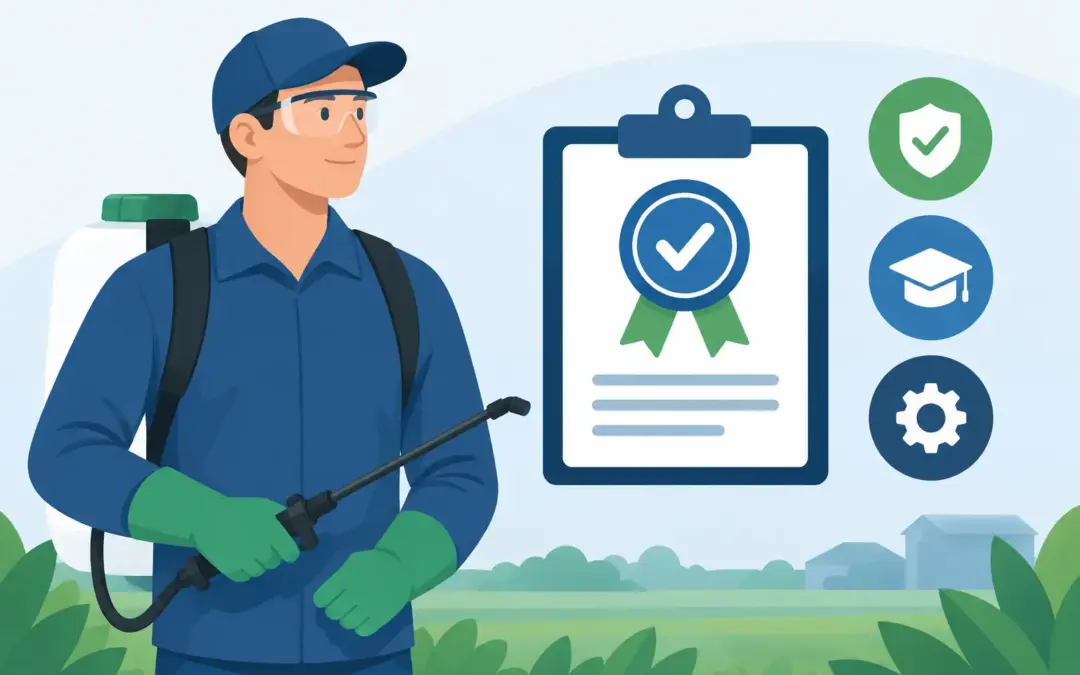
Manufacturer certification generally prepares a contractor or business to apply a specific restoration technology according to established standards. It is not simply a product demonstration. A credible program should connect training to real-world decisions: which roofs are suitable, how to prepare the surface, how to apply the treatment evenly, how to document the job, and when to recommend replacement instead.
That last point matters. Roof restoration is a smarter alternative for many aging asphalt shingle roofs, but it is not the right solution for every roof. Active leaks caused by structural failure, widespread missing shingles, severe storm damage, or advanced deterioration may require repair or replacement first. Certification helps applicators make that distinction honestly and protect the customer from an inappropriate recommendation.
The strongest programs also create consistency across service territories. A homeowner should receive the same careful evaluation, preparation, application process, and follow-up whether the work is completed in one market or another.
Core Applicator Certification Requirements
Exact requirements vary by manufacturer, product, and state or local regulations. Still, most professional roof-restoration certification programs center on several practical areas.
Product and Roof-System Knowledge
Applicators need to understand what the treatment does and what it does not do. For aging asphalt shingles, a restoration treatment may help renew flexibility, improve appearance, reduce ongoing granule loss, and extend functional roof life. The applicator must be able to explain those benefits accurately without presenting restoration as a cure for every roofing issue.
Training should cover shingle composition, signs of weathering, roof age considerations, ventilation concerns, granule loss, algae or surface contamination, and conditions that could affect treatment performance. It should also establish eligibility standards for the proprietary product being applied.
This knowledge protects the customer and the business. A well-qualified roof creates a better result, a stronger customer experience, and a more defensible warranty claim if questions arise later.
Site Evaluation and Documentation
Before a crew begins cleaning or treatment, the roof must be assessed carefully. Certification commonly requires applicators to inspect roof slopes, penetrations, flashing, gutters, landscaping, access points, and visible areas of concern. Photos, measurements, and condition notes create a record of the roof before work begins.
Documentation is not administrative busywork. It helps set accurate expectations and demonstrates that the applicator identified pre-existing conditions. It can also support quality reviews, warranty registration, and customer communication after the job is complete.
For homeowners, this is a useful question to ask before hiring: Will the provider inspect and document my roof before recommending treatment? A qualified applicator should have a clear answer.
Cleaning, Preparation, and Application Technique
The quality of a roof-restoration job depends heavily on preparation. Surface debris, biological growth, and other contaminants can affect both appearance and treatment consistency. Certified applicators are trained to follow approved cleaning methods that respect the roofing system and the surrounding property.
Application training addresses more than operating equipment. Crews must know proper coverage rates, spray patterns, weather limitations, drying expectations, overspray controls, and protection procedures for siding, windows, vehicles, plants, and outdoor living areas. The goal is clean, even, controlled work – not a rushed application.
A provider should also know when conditions are unsuitable. Rain, high winds, extreme temperatures, wet surfaces, or other site-specific factors can require a job to be rescheduled. That decision may be inconvenient in the moment, but it is often the right one for performance and quality control.
Safety and Regulatory Compliance
Certification does not replace the legal and safety responsibilities of operating a roofing or exterior-services business. Depending on the state, county, or municipality, contractors may need a business license, contractor license, insurance, workers’ compensation coverage, or other credentials before performing work.
Roof work also requires disciplined safety practices. Applicators should be trained in ladder use, fall protection, personal protective equipment, chemical handling, equipment maintenance, and jobsite controls. The exact requirements depend on the roof, crew structure, and local rules, but the principle is straightforward: a profitable service is not worth an unsafe jobsite.
Contractors considering certification should verify their local requirements before marketing or scheduling work. A manufacturer certification can prove product-specific competence, while licensing and insurance demonstrate that the business is authorized and prepared to operate responsibly. Both are valuable.
Certification Requirements for Quality and Warranty Protection
A treatment warranty is meaningful only when the product is applied to an eligible roof under documented conditions. That is why many certification programs require applicators to use approved processes, submit job records, and follow defined customer-care standards.
Quality control may include before-and-after photos, roof-condition checklists, proof of product usage, application dates, customer sign-off, and warranty registration. Some programs also require refresher training or periodic reviews as products, procedures, and regulations evolve.
For the applicator, these requirements create accountability and reduce avoidable callbacks. For the homeowner, they provide a clearer path to warranty coverage and a better record of the work completed. A five-year transferable warranty, when available through the program and supported by proper installation, can add meaningful value when a home is sold.
What Contractors Should Look for in a Certification Program
Not all certifications offer the same business value. A basic training session may teach product application, but a growth-focused program should help a contractor build a repeatable restoration category.
Look for training that combines technical instruction with field-ready systems. That includes sales education, roof-assessment tools, customer messaging, operational guidance, marketing support, and a clear process for registering completed jobs. Protected territories can also be a major consideration, particularly for businesses that want room to develop local demand without competing against multiple providers using the same technology.
Support after certification matters just as much as the initial training. Restoration can become a strong complement to replacement, repair, cleaning, and exterior-maintenance services, but only if the business knows how to identify opportunities and communicate value. Homeowners are often comparing restoration against the cost, disruption, and waste of a full replacement. Applicators need a practical way to explain when preserving an existing roof makes financial and environmental sense.
Roof Shield’s certified applicator model is built around that opportunity: exclusive roof-restoration technology, protected market access, operational resources, and a service that gives contractors a differentiated answer for qualified aging shingle roofs.
Questions Homeowners Should Ask a Certified Applicator
Certification should make it easier to choose a provider, not harder. Before approving a roof-restoration project, ask whether the roof qualifies for treatment, what preparation is included, how the crew will protect the property, and what documentation you will receive after the job.
Also ask about insurance, local licensing, warranty terms, and any conditions that could limit coverage. A professional applicator will welcome these questions. Clear answers indicate that the company has a process, respects the investment you have made in your home, and is prepared to support the work after the crew leaves.
Certification Creates a Better Restoration Experience
For contractors, meeting applicator certification requirements is a commitment to doing restoration work the right way – with trained crews, defined standards, and a customer experience worth recommending. For homeowners, choosing a certified provider is one of the clearest ways to move forward with confidence.
A qualified aging roof may not need to enter the replacement cycle before its time. With the right evaluation, careful application, and certified professional behind the work, restoration can help preserve the roof you already own while creating a cleaner, more cost-conscious path forward.