
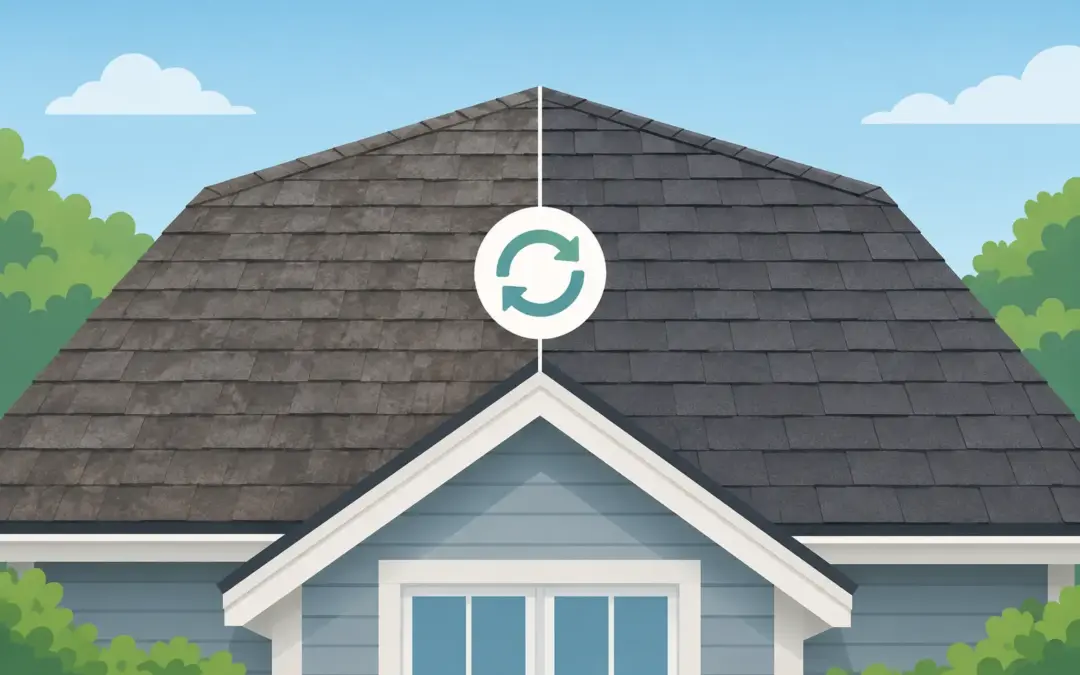
A roof can look years older than it really is when once-rich shingles fade to a washed-out gray or brown. That visual change often sends homeowners straight to replacement estimates. But can renewal restore shingle color? For many aging asphalt shingle roofs, the answer is yes – when the roof is still structurally sound and the fading is tied to weathering rather than damage that calls for replacement.
The key is understanding what “restore” actually means. A quality shingle restoration treatment does not paint over a roof or disguise serious problems. It is designed to replenish aging shingles, improve their flexibility, support granule retention, and revive the deeper color that weather, sun, and moisture have dulled over time. The result can be a noticeably more uniform, refreshed roof appearance without the cost, waste, and disruption of a premature tear-off.
Can Renewal Restore Shingle Color on Every Roof?
Not every faded roof is a candidate for renewal. Asphalt shingles naturally lose oils as they age. Heat, UV exposure, rain, freeze-thaw cycles, and daily temperature swings accelerate that process. As shingles become dry and brittle, their protective granules can loosen, and the roof’s original color may look flat, uneven, or faded.
A restoration treatment can help when shingles are weathered but still have useful life remaining. It works best on roofs that have been cleaned, inspected, and confirmed to be free of major structural concerns. By conditioning the shingle at a molecular level, the treatment can bring back richer color while helping restore the flexibility that aging shingles lose.
That is different from covering a roof with a coating. Paint and surface coatings can alter color temporarily, but they may conceal the real condition of the shingles and can create their own maintenance issues. True renewal is about preserving the roofing material already in place, not simply changing how it looks from the street.
Why Asphalt Shingles Lose Their Color
Shingle color is not just cosmetic. The appearance of an asphalt roof reflects what is happening on its surface and within the material. Granules provide the visible color, but they also shield the asphalt layer from sunlight and weather. When the shingle dries out and begins shedding granules, its color often becomes less consistent.
Dirt, airborne pollution, algae, and organic debris can make the problem look worse. So can streaking caused by moisture patterns and shaded areas. A professional cleaning may remove surface staining, but cleaning alone cannot replace lost flexibility in dry, aging asphalt. That is where a restoration approach can offer more value than a cosmetic wash.
Color improvement depends on the roof’s starting condition. A roof with mild-to-moderate fading and solid shingle integrity may show a dramatic visual change after cleaning and treatment. A roof with bare spots, advanced granule loss, curling, cracked shingles, active leaks, or storm damage may need repairs or replacement instead. A reputable inspection should make that distinction clear before any treatment is recommended.
What a Shingle Renewal Process Should Include
The most dependable results come from a process that addresses both the roof’s appearance and its remaining performance. It should begin with an honest roof assessment, not a one-size-fits-all sales pitch.
A professional restoration process generally follows four essential stages:
- Inspection: The roof is evaluated for leaks, damaged shingles, exposed decking, active storm damage, and excessive granule loss. These conditions must be addressed before restoration can be considered.
- Cleaning: Organic growth, debris, and visible staining are removed using roof-appropriate methods. The goal is a clean surface, not aggressive pressure that can dislodge granules.
- Repair preparation: Minor, appropriate repairs may be completed so the roof is ready for treatment. Restoration is not a substitute for correcting material failures.
- Treatment application: A trained applicator applies the restoration product evenly according to the roof’s condition, temperature requirements, and manufacturer standards.
Roof Shield’s proprietary biodegradable treatment is designed to penetrate and rejuvenate weathered asphalt shingles rather than cover them. That distinction matters to homeowners looking for a practical way to protect an existing roof and restore curb appeal while avoiding unnecessary replacement.
What Kind of Color Improvement Can You Expect?
A successful renewal can make faded shingles look darker, richer, and more consistent. Many homeowners notice that the roof regains visual depth after treatment, especially once dry, chalky weathering has been addressed. The improvement can make a meaningful difference in overall curb appeal, whether you plan to stay in the home or prepare it for sale.
Still, realistic expectations matter. Restoration cannot recreate granules that have already washed away or make a severely deteriorated roof look brand new. It also will not turn one shingle color into a completely different color. If your roof was originally weathered brown, for example, the goal is to revive that roof’s existing character, not make it charcoal black.
The best results are often visible across the entire property. Freshened shingles can complement siding, trim, gutters, and landscaping that may have looked dull beside a faded roof. More importantly, the visual improvement should come alongside functional value: shingles that are better conditioned may be less prone to brittleness and further weather-related wear.
Renewal Versus Replacement: The Value Question
Roof replacement is essential when a roof has reached the end of its serviceable life. It is the right call for widespread failure, significant water intrusion, extensive storm damage, or shingles that can no longer provide dependable protection. No responsible restoration provider should suggest otherwise.
But replacement is not automatically the smartest answer for every aging roof. If the shingles are intact but dry, faded, and losing flexibility, renewal can be a substantially more affordable way to preserve the roof you already own. It can also reduce the disruption of a tear-off, including noise, debris, landscaping concerns, and days of contractor activity around the home.
There is an environmental advantage as well. Replacing a roof before it is necessary sends a large volume of old shingles to the landfill. Extending the functional life of a viable roof helps homeowners make a more resource-conscious decision without compromising on appearance or protection.
For a homeowner, the decision comes down to condition, budget, and goals. If you need a new roof, replacement is an investment in safety. If your roof is weathered but still serviceable, restoration may help you postpone that larger expense while improving the roof you see every day.
Questions to Ask Before Choosing a Shingle Treatment
Before moving forward, ask whether the provider performs a complete inspection and whether they can explain why your roof qualifies. You should also ask what preparation is included, how the treatment is applied, and what protection or warranty coverage is available after the work is complete.
Experience matters because asphalt shingles are not a surface to treat casually. Incorrect cleaning methods, poor product selection, or uneven application can undermine results. A certified applicator should be able to show you the condition they are addressing, explain the expected visual improvement, and set clear expectations about what restoration can and cannot do.
For roofing and home-services professionals, this conversation is also a business opportunity. Homeowners are increasingly looking for alternatives between “do nothing” and “replace everything.” Adding a credible restoration service creates a practical answer for qualified roofs while helping contractors serve more customers with a differentiated, value-driven offering.
A faded roof does not always mean a failed roof. When an inspection confirms that the shingles are still viable, renewal can be a smart way to clean, restore, and protect an asset that still has life left to give.