
A few missing granules may not look urgent from the driveway. But on an aging asphalt shingle roof, they can be an early signal that the protective surface is wearing down. The best shingle maintenance practices focus on catching manageable changes before they become leaks, wood rot, interior damage, or an unexpected replacement project.
For homeowners, this means treating the roof as an asset worth preserving, not a problem to ignore until it fails. For roofing and exterior-service professionals, it creates an opportunity to deliver more value than a replacement-only recommendation. Clean. Restore. Protect. That is a smarter maintenance path when the roof is still structurally sound.
Start With a Clear Picture of Roof Condition
Good maintenance starts with an honest inspection. A roof can look faded, streaked, or dry from the ground while still having years of useful service life. It can also look acceptable from one angle while hiding lifted shingles, exposed fasteners, deteriorated flashing, or moisture issues around vents and valleys.
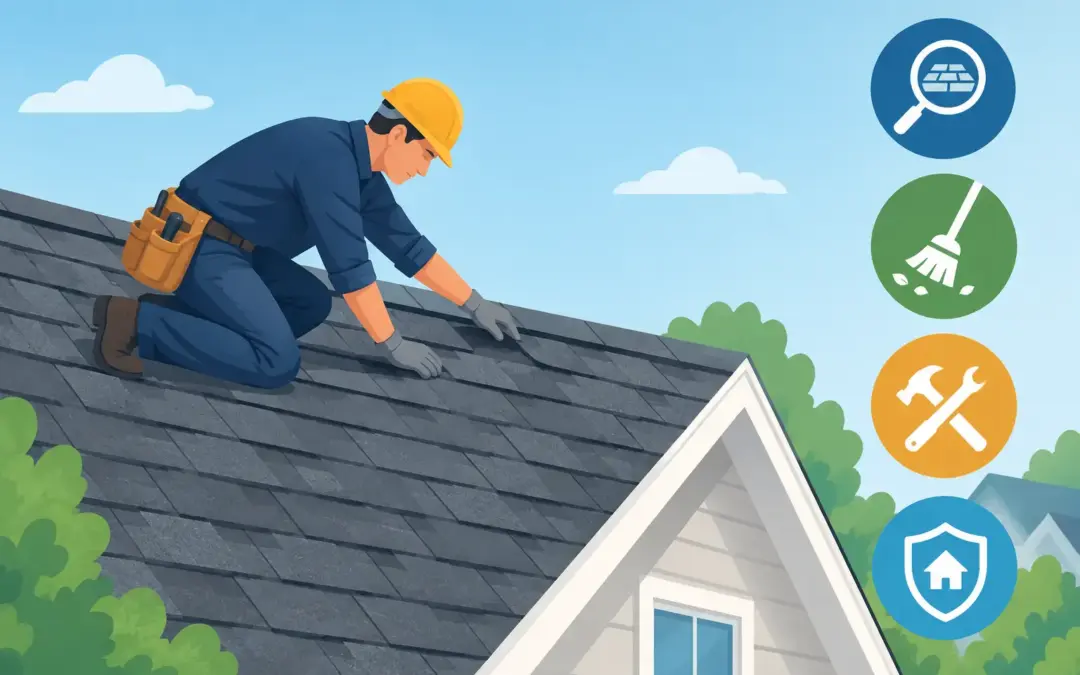
Inspect an asphalt shingle roof at least twice a year, typically in spring and fall, and after a major windstorm or hail event. Homeowners can look for obvious changes from the ground with binoculars, but walking a roof is not a do-it-yourself task. Steep slopes, brittle shingles, and wet surfaces create real safety risks. A qualified professional can evaluate the roof without causing additional damage.
The inspection should distinguish between cosmetic aging and functional failure. Fading color, light algae staining, and early granule loss do not automatically mean replacement is necessary. Active leaks, widespread missing shingles, failed flashing, major storm damage, or soft decking require a more direct repair or replacement plan. The right answer depends on the roof’s condition, not a one-size-fits-all sales pitch.
Keep Water Moving Off the Roof
Water management is one of the best shingle maintenance practices because standing water and trapped debris accelerate wear. Leaves, pine needles, seed pods, and branches collect in valleys and behind chimneys, where they hold moisture against the shingle surface. That can encourage algae growth, interfere with drainage, and shorten the life of materials in a high-stress area.
Clear loose debris carefully from the roof, valleys, gutters, and downspouts. Avoid aggressive scraping or stiff wire brushes, which can dislodge protective granules. If debris is heavy or access is difficult, bring in a trained roof-care professional with the proper equipment.
Gutters deserve the same attention as shingles. When gutters overflow, water can back up along the roof edge and soak fascia boards, soffits, and the area beneath the first course of shingles. Make sure downspouts discharge away from the foundation and remain clear after storms. A roof cannot perform as designed when its drainage system is clogged.
Address Moss, Algae, and Stains the Right Way
Dark streaks on an asphalt roof are often algae, while thick green growth may be moss. Both can affect curb appeal, but moss presents a greater functional concern because it holds moisture and can lift shingle edges over time. The mistake is reaching for a pressure washer.
High-pressure washing can strip granules, scar shingles, force water beneath laps, and turn a cleaning job into a roof-damage claim. Harsh, unapproved chemical mixes can create their own problems for shingles, landscaping, and nearby surfaces.
Use a roof-safe cleaning approach recommended for asphalt shingles, and let the method do the work rather than relying on force. The right cleaner, application process, dwell time, and rinse strategy depend on the type and extent of growth. A professional can also identify whether discoloration is biological growth, airborne pollution, mineral staining, or simple weathering before recommending treatment.
Protect Shingles From Physical Damage
Many roofs age faster because of small, repeatable impacts. Tree limbs rubbing against shingles can remove granules and wear through the surface. Satellite installations, holiday-light clips, foot traffic, and poorly placed ladders can crack or loosen shingles that are already becoming less flexible.
Trim branches back far enough to prevent contact during wind events. This reduces abrasion, limits leaf buildup, and lowers the chance of a limb puncturing the roof during a storm. Keep roof traffic to a minimum, especially during hot weather when shingles can scuff more easily and cold weather when older shingles may be brittle.
If another trade needs roof access for solar work, HVAC service, chimney repairs, or exterior projects, confirm that they understand how to work around asphalt shingles. A repair that protects one system should not create a new vulnerability in another.
Watch the Areas Where Roofs Commonly Fail First
Shingles are only one part of a roofing system. Flashing around chimneys, skylights, walls, vents, and pipe penetrations directs water away from openings. If flashing fails, a roof may leak even when the field shingles appear intact.
Pay close attention to valleys, ridge caps, eaves, and roof-to-wall transitions. These areas take more water, wind, sun exposure, or movement than broad sections of the roof. Look inside the attic as well. Water staining, damp insulation, moldy odors, or daylight around penetrations call for prompt professional evaluation.
Ventilation also matters. Excess heat and moisture in the attic can raise indoor cooling costs and contribute to premature roof aging. Intake ventilation at the eaves and exhaust ventilation near the ridge must work together. Adding more vents without evaluating the full airflow system can create uneven performance, so this is another area where expert assessment pays off.
Restore Aging Shingles Before Replacement Becomes the Default
As asphalt shingles weather, the oils that help keep them flexible can diminish. The roof may begin to look dry, faded, and worn, and its granules may release more readily. If the roof is otherwise intact, restoration may be a practical alternative to immediate replacement.
A biodegradable shingle treatment can help rejuvenate aging asphalt shingles at a molecular level, restoring flexibility and improving their resistance to further granule loss. It is not a remedy for missing shingles, serious leaks, storm damage, or structural concerns. It is a preservation strategy for roofs that still have a sound foundation but are showing the effects of age and exposure.
Roof Shield provides this restoration option through certified applicators, pairing a controlled application process with a five-year transferable warranty for qualifying roofs. For homeowners, the value is clear: preserve an existing roofing asset, refresh color and performance, and reduce the expense and disruption of premature replacement. It can also keep discarded roofing material out of landfills longer.
Create a Maintenance Record, Not Just a To-Do List
Roof maintenance becomes more effective when each inspection and service visit is documented. Save photos, invoices, repair records, insurance correspondence, and warranty information in one place. Note the date of storms, the areas serviced, and any changes a contractor identifies.
This record helps a homeowner monitor whether a condition is stable or getting worse. It can also support insurance conversations, simplify future repair decisions, and provide useful documentation during a home sale. Buyers respond well to proof that a roof has been actively cared for rather than simply left alone until it reached the end of its life.
For contractors and exterior-service providers, documentation builds trust. Before-and-after photos, condition notes, and a clear explanation of repair-versus-restoration options make the customer conversation more transparent. That is how a maintenance service becomes a long-term customer relationship rather than a one-time transaction.
Know When Maintenance Is No Longer Enough
Careful maintenance can extend roof life, but it should never be used to delay necessary work. Call for a professional evaluation quickly if you see active interior leaks, widespread shingle loss, extensive hail impact, sagging roof lines, damaged decking, or recurring water intrusion after repairs.
The goal is not to preserve every roof at all costs. The goal is to make a confident, condition-based decision. When a roof can be cleaned, repaired, and restored, homeowners deserve to know that option exists. When replacement is the safer choice, they deserve that clarity too.
A roof rarely fails without leaving clues. Schedule regular evaluations, act on small changes early, and choose care that protects both the home and the value already built into its roof.