
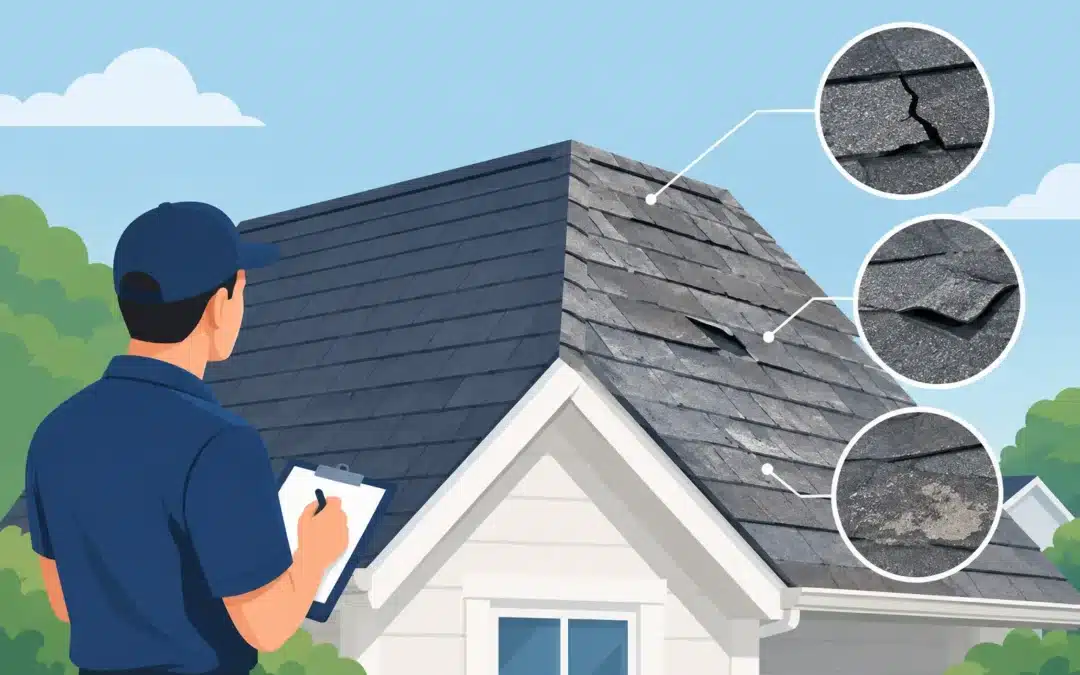
A few loose granules in a gutter do not automatically mean you need a new roof. Neither does a roof reaching a certain birthday. The real question is when should shingles be replaced based on their current condition, the roof system beneath them, and whether damage can still be addressed before water reaches the home.
For many homeowners, replacement is presented as the only answer the moment shingles start to look weathered. But aging and failure are not the same thing. A careful assessment can separate a roof that needs immediate replacement from one that may still be a strong candidate for repair or professional restoration.
When Should Shingles Be Replaced?
Asphalt shingles should be replaced when they can no longer reliably shed water, protect the roof deck, or remain securely attached through normal weather. The decisive issue is functional failure, not simply a faded appearance.
Replacement is generally the right choice when deterioration is widespread, structural materials are compromised, or a repair would only postpone a larger and more expensive problem. Waiting too long can turn a roofing expense into interior water damage, mold remediation, insulation replacement, and deck repair.
That said, a roof with surface aging but intact shingles and no active leaks may have another path. The difference is why a qualified roof evaluation matters.
Signs Replacement Should Move to the Top of the List
Active leaks or evidence of repeated water intrusion
A ceiling stain after one wind-driven storm may come from flashing, a vent boot, or a localized penetration that can be repaired. Repeated leaks, multiple interior stains, wet insulation, or visible mold in the attic are more serious signals.
Water that has moved beyond the shingle layer may have reached underlayment or roof decking. If the deck is soft, rotted, or visibly sagging, shingles alone cannot solve the problem. Replacement and structural repair should be planned promptly.
Shingles are missing, cracked, or no longer sealing
A handful of missing shingles after a storm can often be replaced if matching materials are available and the surrounding roof remains sound. Widespread missing tabs, extensive cracking, or shingles lifting at the edges point to a larger failure.
Pay close attention to the adhesive seal along each shingle. When tabs repeatedly lift, wind can drive rain beneath them and accelerate damage across the roof plane. This is especially concerning on slopes exposed to prevailing winds.
Curling, cupping, and brittle shingles across large areas
Shingles that curl upward at the edges, cup in the middle, or feel brittle have lost flexibility. A few isolated areas may be repairable, but broad deterioration often means the roof is approaching the end of its serviceable life.
Brittleness matters because shingles must expand and contract with changing temperatures. Once they can no longer flex, they are more likely to crack during wind, heat, freeze-thaw cycles, or even a routine repair attempt.
Granule loss has become widespread
Granules protect asphalt shingles from ultraviolet exposure and give the roof its finished color. It is normal to see some granules in gutters, especially on a newer roof or after a heavy rain. What is not normal is widespread bare, dark, or patchy-looking shingle surfaces.
If the roof looks unevenly worn, has smooth spots where granules have washed away, or sheds a heavy amount of granules repeatedly, its protective layer may be depleted. The exposed asphalt can age quickly under the sun, making replacement more likely.
The roof deck is sagging or visibly uneven
A roofline should look straight and consistent. Noticeable dips, waves, or sagging can indicate moisture-damaged decking, framing concerns, or inadequate support. This is not a cosmetic issue and should be evaluated without delay.
Replacing shingles over a compromised deck only hides the underlying problem. A proper replacement project addresses the complete roofing system, including damaged sheathing and ventilation conditions that may have contributed to the issue.
Age Is a Clue, Not a Verdict
Many asphalt shingle roofs deliver roughly 15 to 30 years of service, depending on shingle quality, climate, installation practices, attic ventilation, tree coverage, and storm exposure. A roof in a hot, humid, hail-prone, or coastal environment may age faster than the same product in milder conditions.
Age should prompt an inspection, particularly once a roof reaches the later part of its expected service range. It should not automatically trigger replacement. Some roofs deteriorate early because of poor ventilation or storm damage. Others remain functional longer because the original installation and ongoing maintenance were strong.
The most useful inspection considers the whole roof system. That includes shingles, ridge caps, flashing, penetrations, gutters, attic moisture, ventilation, and the condition of the roof deck. A decision based only on the calendar can lead to premature replacement or a costly delay.
When Restoration May Be the Smarter Option
A roof does not have to look new to remain a viable asset. If shingles are weathered but still intact, properly adhered, and free of active leaks or structural damage, professional restoration may help extend functional roof life.
Roof restoration is not a substitute for replacing a failed roof. It cannot repair rotted decking, correct major installation defects, or make severely curled and broken shingles whole again. It is most valuable before a roof crosses the line into widespread failure.
For eligible aging asphalt shingle roofs, Roof Shield applies a proprietary biodegradable treatment designed to restore flexibility at the molecular level, reduce granule loss, and revitalize color. The result is a practical alternative for homeowners who want to preserve a sound roof, avoid premature tear-off costs, and reduce landfill waste.
The financial trade-off is straightforward. Replacement may be necessary when the roofing system has failed, but it is a major construction project with material, labor, disposal, and disruption costs. Restoration can be substantially more affordable when the roof is still structurally sound and meets treatment requirements. A five-year transferable warranty also gives qualifying homeowners added confidence in the decision.
Four Questions to Ask Before You Commit
Before scheduling a replacement, ask whether there are active leaks, whether damage is isolated or widespread, whether the deck and attic are dry and sound, and whether shingles remain flexible enough to perform. Those answers give a far clearer picture than age alone.
Ask for photographs from the inspection, including close-ups of damaged areas and attic conditions where accessible. A credible recommendation should explain why replacement is required, what risks exist if you wait, and whether repair or restoration is realistically available.
If storm damage is involved, document conditions before making permanent changes. Your insurance carrier may require an inspection or specific records. Coverage depends on your policy, the cause of damage, depreciation provisions, and the insurer’s assessment, so avoid assuming that a new roof will automatically be covered.
Protect the Roof Before the Decision Becomes Urgent
Homeowners get the best choices when they act before a small concern becomes an emergency. Keep gutters clear, trim branches away from the roof, watch for granule buildup and lifted shingles after severe weather, and schedule a professional assessment when the roof begins showing its age.
If your shingles are failing, replacement protects the home and should not be delayed. If they are aging but still sound, ask whether restoration can preserve what you already own. The right next step is the one that protects your home, your budget, and the years of service still available in your roof.