
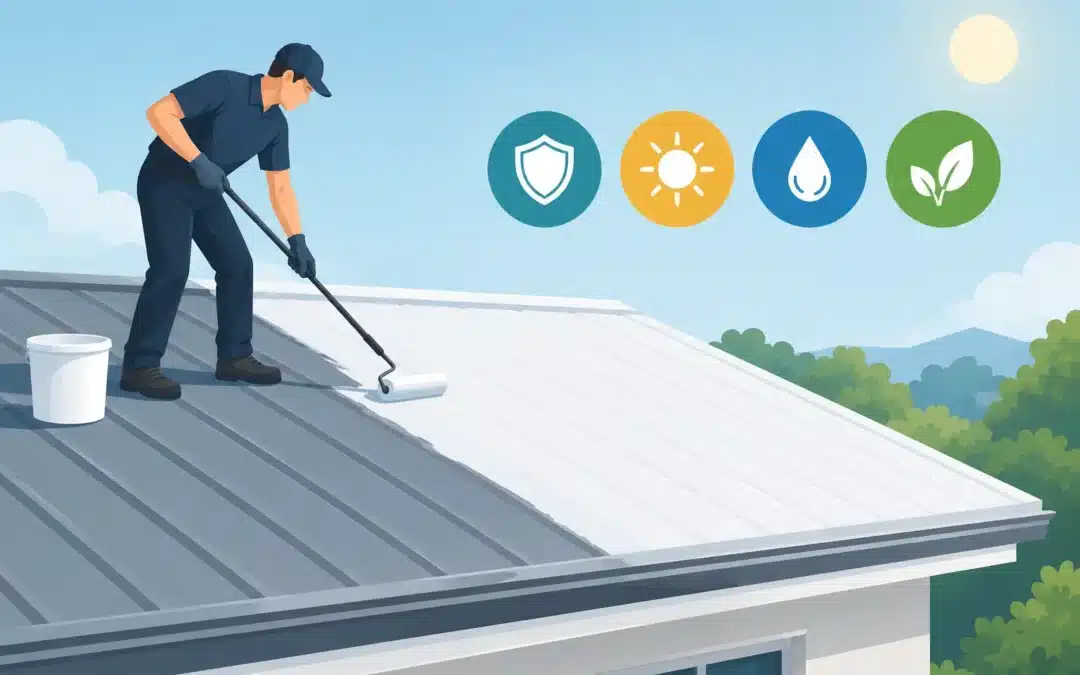
A roof can look faded, dry, and tired years before it reaches the point of failure. That gap is where roof treatment performance matters most. For eligible aging asphalt shingle roofs, the right restoration approach can improve flexibility, reduce ongoing granule loss, refresh color, and help preserve a major home asset without the cost, noise, and waste of immediate replacement.
Performance is not simply about whether a roof looks better after application. A lasting result depends on the roof’s current condition, the preparation process, the treatment technology, and the quality control behind the work. Homeowners deserve a clear view of what treatment can do, what it cannot do, and how to make a smart decision before committing to replacement.
What Roof Treatment Performance Should Deliver
Asphalt shingles rely on oils and flexibility to handle sun exposure, rain, temperature swings, and ordinary expansion and contraction. Over time, weather pulls those essential oils from the shingle. The roof may become brittle, lose protective granules more quickly, and develop the dull, aged appearance many homeowners associate with an approaching replacement.
A high-quality treatment is designed to address that aging process rather than merely cover it up. Proprietary restoration technology works to replenish flexibility at a molecular level, helping shingles perform more like they did earlier in their service life. When the roof is a suitable candidate, the results should be both functional and visible: shingles can appear richer in color, feel less dry and rigid, and maintain their protective surface more effectively.
That distinction matters. Cosmetic coatings may change a roof’s appearance, but appearance alone does not tell you whether the shingle has been restored. Meaningful performance is tied to the condition of the roofing material itself.
The Roof Must Be a Good Candidate
No treatment should be presented as a substitute for necessary repairs or a solution for a roof that has already failed. A responsible evaluation comes first. If shingles are badly curled, missing in large numbers, actively leaking because of damaged components, or near the end of their usable condition, replacement or repair may be the appropriate path.
Treatment is most valuable when a roof is aging but still structurally sound. The shingles may show weathering, fading, dryness, and ordinary granule loss, yet remain intact enough to respond to restoration. This is the opportunity many homeowners miss when the only option offered is replacement.
A professional assessment should look beyond the shingles. Flashing, penetrations, valleys, vents, gutters, and previous repair areas all affect the roof system. A treatment can help preserve viable shingles, but it should never hide an issue that requires direct correction.
Age Is a Clue, Not the Entire Answer
Roof age matters, but it is not the sole measure of remaining life. Two roofs installed in the same year can age very differently. One may face intense afternoon sun, wind exposure, tree debris, and poor attic ventilation. Another may have favorable shade, good drainage, and consistent maintenance.
That is why a visual and physical inspection is more useful than a calendar-only decision. The goal is to identify whether the roof is still an asset worth preserving. When it is, restoration can often be a more affordable and environmentally responsible next step than removing materials that still have functional life left.
Preparation Has a Direct Effect on Results
Even the best treatment needs a clean, properly prepared surface. Algae, moss, lichen, dirt, and loose debris can interfere with an even application and leave a roof looking inconsistent. More importantly, biological growth can retain moisture against the shingles and accelerate deterioration if it is not addressed.
The process should begin with a roof-safe cleaning approach that removes buildup without causing unnecessary damage. Pressure that is too aggressive can dislodge granules and create the very wear a homeowner is trying to prevent. Careful preparation protects the roof while giving the treatment a clean surface on which to perform.
From there, application consistency matters. Proper coverage, appropriate conditions, and trained workmanship help ensure the treatment reaches the shingles evenly. A rushed job may produce a short-lived visual change. A controlled process is built around long-term protection.
Weather, Roof Design, and Maintenance Still Matter
Roof treatment performance is not isolated from the environment. A restored roof still faces UV exposure, storms, standing debris, branches, and seasonal temperature changes. Treatment helps improve the material’s resilience, but it does not make a roof maintenance-free.
Homes in high-sun regions may see more intense drying over time. Tree-covered properties may need more frequent debris and algae management. Roofs with complex valleys or limited drainage require closer attention because leaves and moisture can accumulate in areas that are hard to see from the ground.
Simple maintenance supports the investment. Keep gutters flowing, remove heavy branches that scrape the roof, address damaged flashing promptly, and schedule periodic roof checks after major weather events. These practical steps protect the restored shingles and help prevent small repair needs from becoming expensive surprises.
How to Judge Performance Beyond the First Week
A fresh-looking roof is encouraging, but the first week is not the full test. Homeowners should evaluate performance through a combination of visible improvement, material condition, and long-term protection.
Look for an even, revitalized appearance rather than a patchy surface. Notice whether weathered shingles have regained a healthier color and less dry appearance. Ask the provider how the product is designed to support flexibility and reduce further deterioration. Most importantly, understand the warranty terms, including what is covered, how long coverage lasts, and whether it transfers if the home is sold.
A five-year transferable warranty gives homeowners an added measure of confidence because it connects the service to accountable performance, not just a same-day result. It can also strengthen the home’s story for prospective buyers who value maintenance records and a roof that has been proactively cared for.
The Financial and Environmental Value of Restoration
Replacement has an essential place in roofing. When a roof has failed or is no longer repairable, a new system is necessary. But replacement should not be the automatic answer for every aging shingle roof.
Restoration can help homeowners delay a major capital expense while preserving materials that still have useful life. The savings can be significant compared with a full tear-off and replacement, especially when the roof’s underlying condition supports treatment. It also avoids much of the disruption associated with a replacement project, from construction noise to driveway congestion and disposal logistics.
There is an environmental benefit as well. Extending the functional life of existing shingles keeps viable roofing materials in service longer and can reduce the amount of waste sent to landfills. For homeowners who want practical sustainability, that is a meaningful advantage: protect what is already working before replacing it.
Why Certified Application Protects Performance
Treatment quality depends on more than the product in the container. Certified applicators bring process discipline to the job, from determining eligibility and cleaning the roof to applying the treatment correctly and documenting the completed work.
For contractors and home-services professionals, this creates a powerful opportunity. A restoration service gives customers a credible option between doing nothing and purchasing a full replacement. It can build trust, create new revenue opportunities, and differentiate a business in a market where replacement-first recommendations are common.
Roof Shield supports certified applicators with exclusive technology, protected territories, operational guidance, and a service model built around homeowner value. The result is a straightforward promise for customers: Clean. Restore. Protect.
A roof does not need to be brand-new to perform well. If your shingles are aging but still sound, a professional evaluation can reveal whether restoration is the smarter next move – protecting your budget, your curb appeal, and the useful life already built into your roof.