
A roof that looks faded, sheds granules, or has lost some flexibility does not automatically need to be torn off. A certified roof treatment applicator helps homeowners determine whether an aging asphalt shingle roof can be cleaned, restored, and protected before replacement becomes necessary. The difference is more than applying a product: it is knowing how to assess roof condition, prepare the surface, apply treatment correctly, and document the work for dependable, warranty-backed results.
For homeowners, that expertise can mean avoiding the cost, disruption, and landfill waste of replacing a roof before its functional life is truly over. For roofing and exterior-service professionals, certification creates an opportunity to offer a high-value restoration service that stands apart from the replacement-first model.
What a Certified Roof Treatment Applicator Does
A qualified applicator begins with the roof itself, not a sales pitch. Asphalt shingles age because sun exposure, heat cycles, rain, wind, and time gradually reduce the oils that help shingles remain flexible. As that flexibility declines, shingles can become more vulnerable to cracking, curling, granule loss, and a dull, weathered appearance.
A roof treatment is designed for shingles that are aging but still structurally appropriate for restoration. The applicator evaluates visible wear, roof age, drainage conditions, flashing, exposed nail heads, algae or moss growth, and signs of active leaks or storm damage. This matters because a treatment is not a shortcut for repairing a failed roof deck, replacing missing shingles, or solving a major water-intrusion problem.
When restoration is a good fit, the applicator follows a controlled process that protects the roof and the property around it. At Roof Shield, certified providers are trained to apply proprietary biodegradable treatment technology that penetrates aging asphalt shingles, helping restore flexibility and improve their ability to hold protective granules.
Inspection comes before application
A credible roof evaluation separates cosmetic aging from conditions that require repair or replacement. A roof may be a strong treatment candidate if its shingles are weathered, dry, faded, or beginning to lose granules, but remain generally intact and properly installed.
The applicator also checks factors that affect long-term performance. Poor attic ventilation, clogged gutters, overhanging limbs, recurring moisture, and untreated biological growth can shorten roof life regardless of the treatment selected. Addressing these issues gives the homeowner a clearer view of what the roof needs now and how to protect it afterward.
Cleaning protects the result
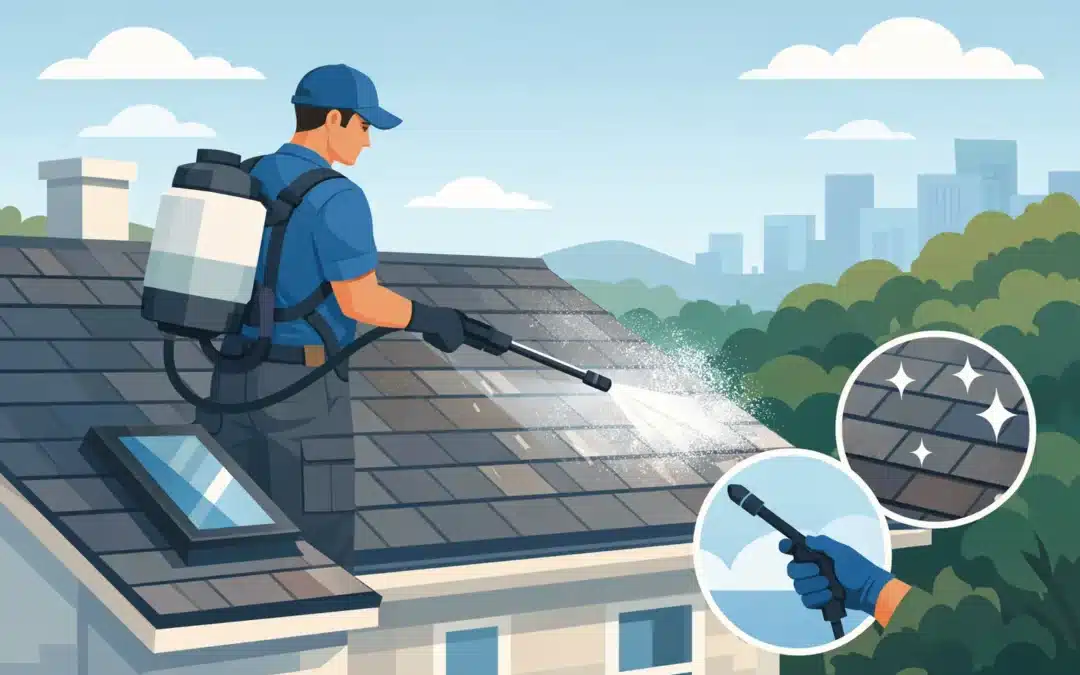
Roof cleaning is not simply about making shingles look better. Dirt, algae, moss, and surface contaminants can interfere with treatment performance if they are not handled correctly. A certified applicator uses the appropriate cleaning method for the roof’s condition and takes care around landscaping, siding, gutters, and other exterior surfaces.
Aggressive pressure washing can damage shingles and dislodge granules when used improperly. That is one reason process discipline matters. The goal is to prepare the roof without creating the very wear the restoration service is meant to address.
Application requires consistency
Treatment coverage, weather conditions, roof slope, shingle condition, and dry time all influence the application process. Certified professionals are trained to use the required equipment and application methods so the treatment is distributed evenly across the roof surface.
This is where a professional service differs from a generic spray-and-go approach. An applicator must recognize when conditions are unsuitable, protect surrounding areas, and make sure the work meets the standards required for the treatment system. Homeowners receive a more predictable outcome, including visible color revitalization and renewed shingle flexibility where the roof qualifies.
Documentation supports warranty coverage
A professional applicator records the roof condition and completed service according to program requirements. This gives the homeowner a clear service record and supports available warranty coverage. A five-year transferable warranty can add meaningful value, particularly for owners planning to sell during that period.
Transferability is practical, not just promotional. It gives prospective buyers another reason to see an aging roof as a maintained asset rather than an immediate replacement expense. As with any warranty, homeowners should understand the terms, roof eligibility requirements, and maintenance expectations before work begins.
How to Choose a Certified Roof Treatment Applicator
The right questions can quickly reveal whether a provider has a proven process. Start by asking whether the company is certified for the specific treatment it offers and whether it will inspect the roof before recommending service. A reputable provider should be able to explain why treatment is appropriate for your roof – or tell you honestly when it is not.
Ask how the roof will be cleaned and prepared, what happens if repairs are identified, and how the crew will protect plants, siding, vehicles, and outdoor living areas. You should also ask what the service is expected to improve. A treatment can help extend the functional life of eligible shingles and improve their appearance, but it does not make an old roof brand new or erase underlying installation defects.
Price should be considered alongside scope and quality control. A low quote that excludes cleaning, minor repair coordination, property protection, or warranty documentation may not deliver the same value as a complete restoration process. The smarter comparison is the full cost of preserving a serviceable roof versus replacing it prematurely.
Why Certification Creates a Better Customer Experience
Homeowners are making a decision about one of their property’s most expensive exterior systems. They need more than a broad promise that a roof can be restored. They need a provider who can explain the condition of their shingles in plain language, perform the work consistently, and stand behind the result.
Certification creates that framework. It connects specialized product knowledge with a repeatable field process, from the first roof assessment through final application and warranty registration. It also helps prevent a common mistake in home maintenance: treating every aging roof as if replacement is the only responsible option.
For the right roof, restoration can reduce project costs substantially compared with replacement, minimize disruption at the home, and keep usable shingles out of the landfill. Those benefits depend on proper fit. A certified applicator protects customer value by recommending treatment only when the roof condition supports it.
A Growth Opportunity for Roofing Professionals
For established roofing contractors, roof cleaners, exterior restoration businesses, and ambitious home-service entrepreneurs, becoming a certified applicator can add a valuable category between minor maintenance and full roof replacement. It gives customers a practical option when replacement is not yet necessary, while creating new conversations with homeowners who may otherwise delay all roof-related work.
The business advantage is differentiation. Instead of competing only on replacement estimates, an applicator can offer a specialized restoration solution with protected territory access, operational support, marketing guidance, and lead-generation resources. That can help create more consistent opportunities across the season while strengthening customer relationships.
There is also a long-term sales benefit. A homeowner whose roof is appropriately treated today may still need repairs, maintenance, or eventual replacement later. By providing an honest, value-conscious solution at the right time, the contractor earns trust before that larger project arrives. The Smarter Solution for Your Business and Your Customers is not selling replacement at every inspection. It is matching the service to the roof’s actual condition.
A roof inspection should leave a homeowner with clarity, not pressure. If your shingles are aging but still have a sound foundation, asking for an evaluation from a certified roof treatment applicator may be the practical next step toward protecting your home, budget, and curb appeal.