
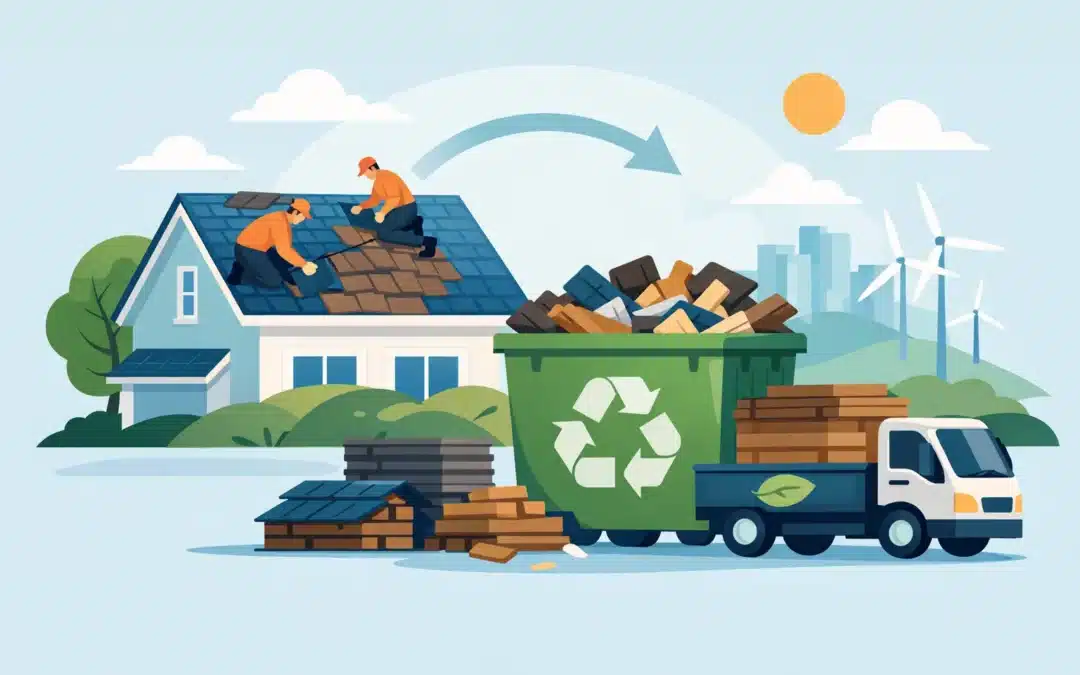
A roof replacement can send thousands of pounds of old shingles, underlayment, nails, and packaging into the waste stream in a single day. The most effective way to reduce roofing waste from replacement is not simply to manage debris better after tear-off. It is to make a smarter decision before tear-off begins: determine whether the existing asphalt shingle roof still has useful life that can be restored.
For homeowners, that means protecting a major asset for longer and avoiding a disruptive expense before it is truly necessary. For roofing professionals, it creates an opportunity to offer customers a practical, sustainable alternative to the replacement-first model. Clean. Restore. Protect. When restoration is appropriate, everyone benefits from a solution that preserves materials already on the home.
Why roof replacement creates so much waste
Asphalt shingles are durable roofing materials, but they are not easily separated into individual components after removal. A typical tear-off combines shingles with roofing felt, flashing fragments, fasteners, damaged decking, old vents, and other jobsite debris. Once those materials enter a dumpster, sorting and recovery become more difficult.
Replacement is sometimes the right call. A roof with active leaks, widespread shingle failure, structural damage, severe storm damage, or compromised decking needs professional repair or replacement. The goal is not to keep a failing roof in service beyond its safe functional life.
The problem is premature replacement. Many aging shingle roofs are removed because they look weathered, lose surface granules, appear faded, or have become brittle. Those visible signs deserve attention, but they do not always mean the entire roof system has reached the end of its serviceable life. A qualified assessment can distinguish a roof that needs replacement from one that may respond to restoration.
Start with a condition-based roof assessment
Age alone is not a complete diagnosis. A 12-year-old roof exposed to intense sun, heat, wind, and temperature swings can age differently than a 20-year-old roof in a more forgiving environment. Before recommending a replacement, inspect the roof’s actual condition.
A professional evaluation should look beyond curb appeal. It should consider shingle flexibility, granule loss, curling, cracking, exposed fiberglass mat, fastener issues, flashing condition, ventilation, drainage, and signs of water intrusion. The condition of the roof deck and attic matters, too. Moisture damage, sagging, or structural concerns cannot be solved with a surface treatment.
This approach gives homeowners a clearer choice. If the shingles remain intact and the roof system is fundamentally sound, restoration may extend functional life while preserving the materials already installed. If the inspection identifies major failures, replacement can proceed with a realistic scope and responsible waste plan.
Know when restoration is a practical option
Restoration is best suited to aging asphalt shingles that are weathered but still viable. These roofs may show fading, early granule loss, dryness, or reduced flexibility without having widespread leaks or structural problems.
A biodegradable shingle treatment can help rejuvenate weathered shingles at a molecular level, restoring flexibility and helping reduce ongoing granule loss. The result can be a more uniform appearance and a longer-performing roof without the cost, material consumption, and disposal associated with immediate replacement.
Roof Shield’s proprietary treatment is designed for this purpose: helping qualifying asphalt shingle roofs remain in service longer with a five-year transferable warranty. It is not a cover-up for roof failure. It is a restoration solution for homeowners who want to preserve a roof that still has a sound foundation.
Reduce roofing waste from replacement by extending roof life
The most sustainable shingle is often the one that does not need to be removed yet. Extending the life of an existing roof delays the need for new shingles, reduces transportation and installation demands, and keeps usable material out of landfills for longer.
That does not mean ignoring maintenance. In fact, routine care is what makes life extension possible. Roofs should be inspected after major storms and checked periodically for debris buildup, damaged flashing, loose shingles, blocked gutters, and signs of algae or moss. Small repairs made early can prevent a localized issue from becoming a replacement-level project.
Homeowners should also be cautious about harsh cleaning methods. Aggressive pressure washing or improper chemical use can dislodge granules and shorten the life of asphalt shingles. Cleaning should be handled with methods appropriate for the roofing material and the condition of the roof.
For contractors, a restoration-first assessment is a valuable way to build trust. Customers do not want to be sold a replacement they may not need. Offering a qualified restoration path shows that your business is focused on protecting the customer’s investment, not just maximizing the size of the job.
Plan responsible removal when replacement cannot wait
Even with strong maintenance and restoration options, every roof will eventually need replacement. When that time comes, waste reduction should remain part of the project plan rather than an afterthought.
Start by accurately measuring the roof and ordering materials carefully. Overages are necessary for cuts, valleys, hips, waste factors, and repair contingencies, but excessive ordering leaves unused shingles and accessories that may not be returnable or suitable for future projects. Good estimating protects profit margins and reduces unnecessary material disposal.
During tear-off, keep clean material streams separate when practical. Metal flashing, aluminum gutters, steel vents, and certain packaging materials may be recyclable through local facilities. Clean cardboard from new material deliveries should not automatically go into the same dumpster as old shingles and wet underlayment.
Shingle recycling availability varies by market. Some facilities process asphalt shingles into material for road construction or other applications, while others may not accept roofing debris at all. Contractors should confirm local requirements before promising recycling to a customer. Contamination, nail content, and the age or composition of existing shingles can affect whether a load is accepted.
A responsible plan also includes protecting the jobsite. Use ground coverings to capture debris, collect loose nails with magnetic sweepers, and keep dumpster loading organized. These steps improve safety, reduce cleanup time, and prevent roofing waste from spreading across lawns, driveways, and neighboring properties.
Choose materials with the full roof lifecycle in mind
A replacement project is an opportunity to think beyond the immediate installation. Material selection should balance budget, climate performance, warranty requirements, home design, and expected service life. The lowest initial price does not always create the lowest long-term cost if it leads to another early tear-off.
Ventilation and moisture management deserve the same attention as shingles. A quality shingle system can still age prematurely when attic heat and moisture are not managed properly. Correcting ventilation issues during a replacement helps protect the new roof and reduces the chance that usable materials will need to be removed early.
Homeowners can also ask contractors what happens to leftover materials. Unopened bundles may be useful for future repairs, returned where permitted, or retained by the contractor for matching work. The answer depends on manufacturer policies, storage conditions, and local practices, but the question encourages better planning.
A better service model for roofing professionals
For roofing businesses, reducing waste does not mean reducing revenue. It means expanding the customer conversation. A contractor that can assess, clean, restore, repair, and replace has more ways to solve the right problem at the right time.
Restoration services create a differentiated offering for roofs that are aging but not ready for tear-off. They can help contractors serve value-conscious homeowners, create repeat customer relationships, and stand apart from companies that present replacement as the only answer. When a roof truly requires replacement, the contractor remains the trusted professional who made an honest recommendation.
This model also supports stronger scheduling and operational flexibility. Restoration work can provide another revenue category without requiring every customer to commit to a full replacement project. For growing exterior-service businesses, that can be a meaningful advantage in competitive markets.
Ask the question before the dumpster arrives
A dumpster is often treated as the first step in solving an old-roof problem. It should be one of the last decisions, made after a careful evaluation of whether the roof can still be protected. That single shift can save homeowners money, keep useful materials on the home, and give contractors a more credible, customer-focused service model.
Before scheduling a tear-off, ask a qualified roofing professional whether the roof is failing or simply aging. A clear answer can turn an expensive replacement decision into a smarter plan for the roof, the property, and the materials already doing their job.