
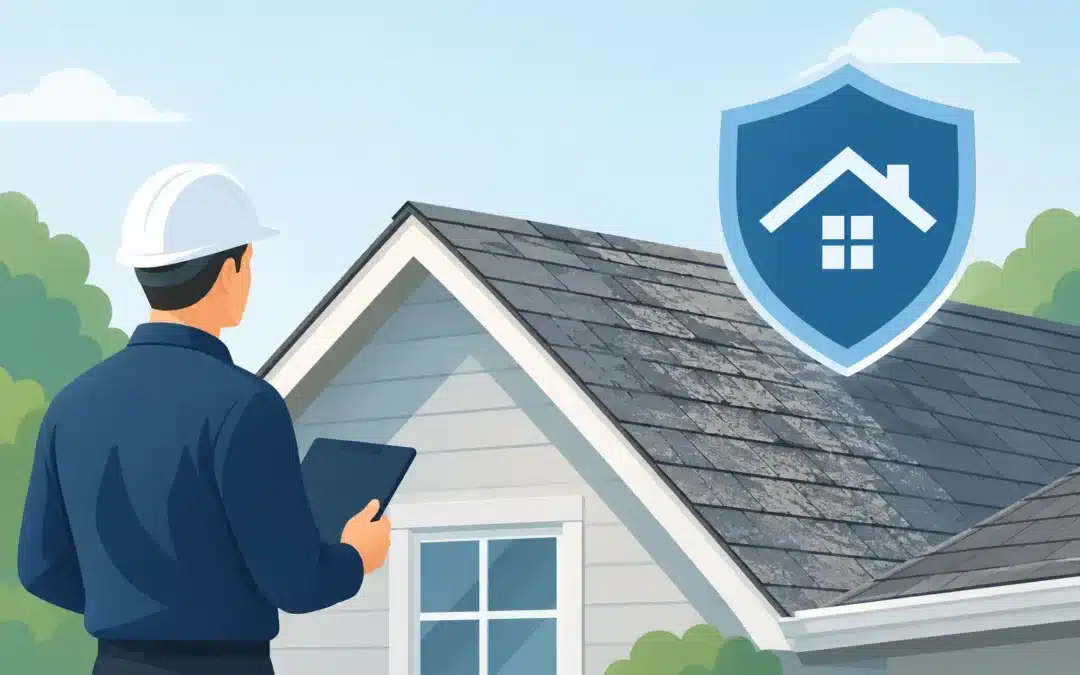
A roof warranty should do more than add fine print to a home-maintenance decision. It should give you a clear understanding of what is protected, who stands behind the work, and how long you can count on that protection. For homeowners considering restoration instead of replacement, treatment warranty coverage provides an added layer of confidence that an aging asphalt shingle roof can be preserved with a proven, professionally applied solution.
A quality roof treatment is not a shortcut around legitimate roof problems. It is a practical option for shingles that are weathered, drying out, losing flexibility, or showing early signs of granule loss – but are still suitable for restoration. When the roof qualifies, warranty-backed treatment can help homeowners protect their existing roofing asset, improve curb appeal, and delay the expense and disruption of a premature replacement.
What Treatment Warranty Coverage Means
Treatment warranty coverage is a written commitment tied to an eligible roof treatment and its proper application. In the case of Roof Shield, qualifying treated roofs are backed by a five-year transferable warranty. That matters because the value of restoration should not disappear if you sell your home during the warranty period.
The warranty reflects more than a promise on paper. It starts with the condition of the roof before treatment, the quality of the preparation, and the consistency of the application process. A certified applicator evaluates whether the roof is a good candidate, applies the proprietary biodegradable treatment according to established requirements, and documents the work. Those steps help create the accountability homeowners should expect when choosing an alternative to replacement.
Coverage is especially meaningful because roof restoration is a long-term maintenance decision. Homeowners are not simply looking for a roof that looks better after a service visit. They want a solution designed to help shingles remain flexible, retain their protective granules longer, and continue performing as part of the home’s exterior envelope.
Why a Transferable Roof Warranty Adds Real Value
A transferable warranty can make a treated roof more attractive to future buyers. A prospective buyer may still request inspections and ask questions about the roof’s age, but documented treatment and remaining warranty coverage show that the homeowner invested in proactive maintenance rather than ignoring a visible asset.
For the current homeowner, transferability also creates flexibility. You may plan to stay in your home for years, or you may decide to sell sooner than expected. A warranty that can move with the property helps preserve the practical value of the work in either situation.
This benefit is not the same as claiming that treatment makes an old roof new. Every roof has a service life, and weather exposure, installation quality, ventilation, storm events, and prior repairs all affect that timeline. The value is in extending functional life where restoration is appropriate, not making unrealistic promises about roofs that need replacement.
What a Warranty Cannot Replace
The most dependable warranty begins with an honest roof assessment. Treatment is designed for aging asphalt shingle roofs that remain structurally sound and suitable for restoration. It is not intended to correct active leaks caused by failed flashing, missing shingles, major storm damage, rotten decking, or widespread installation defects.
A responsible applicator should identify conditions that need repair before treatment, or explain when replacement is the better decision. That transparency protects the homeowner and the integrity of the warranty. If a roof has reached the point where its underlying structure or water-shedding system has failed, applying any surface treatment would not address the real problem.
Homeowners should also understand that warranties generally have terms, conditions, and exclusions. Severe weather, unaddressed damage, alterations to the roof, and failures unrelated to the treatment may affect coverage. The right approach is simple: review the written warranty before work begins, ask how transferability works, and keep your treatment records with other home-maintenance documents.
How Quality Control Supports Warranty Protection
A warranty is only as credible as the process behind it. Roof restoration involves more than spraying a product on shingles and hoping for the best. The roof must be evaluated, the surface must be properly prepared, and the treatment must be applied with the right equipment, coverage, and technique.
Roof Shield supports this standard through a certified applicator network. Certified professionals are equipped to deliver a consistent restoration experience using exclusive technology rather than improvised products or generic coatings. For homeowners, that means the treatment is connected to an established process built around quality control and measurable value.
The treatment works at a molecular level to replenish flexibility in weathered asphalt shingles. As shingles regain pliability, they are better positioned to resist the brittleness that can contribute to cracking and granule loss. The visible result can include revived color and improved curb appeal, while the larger value lies in helping the roof continue serving its purpose without an immediate tear-off.
That restoration-first approach also reduces waste. Replacing a roof before it is truly necessary sends usable materials to the landfill and requires a much larger investment of labor and new materials. Extending the useful life of an eligible roof can be a financially responsible choice and a more environmentally responsible one.
Questions to Ask About Treatment Warranty Coverage
Before scheduling a roof treatment, ask whether your roof qualifies and what the applicator observed during the inspection. A clear answer should distinguish normal aging from repair needs, structural concerns, or conditions that may limit restoration options.
Ask for the warranty terms in writing, including the coverage period and the transfer process if you sell the property. You should also ask what maintenance is expected after treatment. Keeping gutters clear, addressing storm damage promptly, and avoiding unnecessary damage from rooftop work are sensible practices for any asphalt shingle roof.
Finally, ask who will perform the application. Working with a certified provider is central to protecting both the treatment result and the warranty-backed value of the project. Experience with the system, proper equipment, and adherence to the application process all matter.
A Smarter Conversation Than “Repair or Replace”
Homeowners are often presented with only two options when a roof begins to show age: make a small repair or replace the entire system. Restoration adds an important third option. For the right roof, it can bridge the gap between doing nothing and committing to a costly, disruptive replacement before it is needed.
The savings can be significant, but the decision should never be based on price alone. The best value comes from matching the solution to the roof’s actual condition. An eligible roof treated by a certified applicator can gain renewed protection, improved appearance, and the reassurance of a five-year transferable warranty. A roof with serious damage should be repaired or replaced appropriately.
For roofing and home-services professionals, offering warranty-backed restoration creates a different kind of customer conversation. Instead of leading only with replacement estimates, you can provide a credible preservation option that solves a real homeowner concern. It creates a high-value service category while helping customers make better use of the roof they already own.
A roof does not need to look brand-new to deserve protection. When the condition is right, treatment warranty coverage gives homeowners a practical reason to act early, preserve what is still working, and move forward with confidence.