An aging shingle roof does not always need to become a replacement project. For contractors who want to offer a smarter alternative, the applicator certification process is the path to delivering roof restoration with the consistency homeowners expect. It is more than learning how to apply a treatment. It is a business readiness process built around proper roof evaluation, safe application, customer communication, and quality control.
For a roofing or home-services company, certification can create a meaningful new service category between routine maintenance and full replacement. For homeowners, it helps ensure the person treating their roof understands how to assess roof condition, follow the approved process, and protect the value of the property.
Why Certification Matters in Roof Restoration
Roof restoration is not a one-size-fits-all service. Asphalt shingles age differently based on climate, roof orientation, ventilation, installation quality, tree coverage, and years of weather exposure. A roof may look faded and dry while still having years of useful life left. Another may have active leaks, major structural damage, or material loss that makes restoration the wrong recommendation.
That distinction is where certification earns its value. A trained applicator is expected to identify roofs that are suitable for treatment and recognize conditions that require repair or replacement instead. This protects the customer, supports warranty standards, and protects the applicator’s reputation in the local market.
Certification also creates a more consistent customer experience. Homeowners should receive a clear explanation of what the treatment does, what the preparation process involves, what visible improvements they may see, and how to care for their roof after service. When expectations are set properly, restoration becomes a practical, value-driven decision rather than a vague promise.
The Applicator Certification Process From Start to Finish
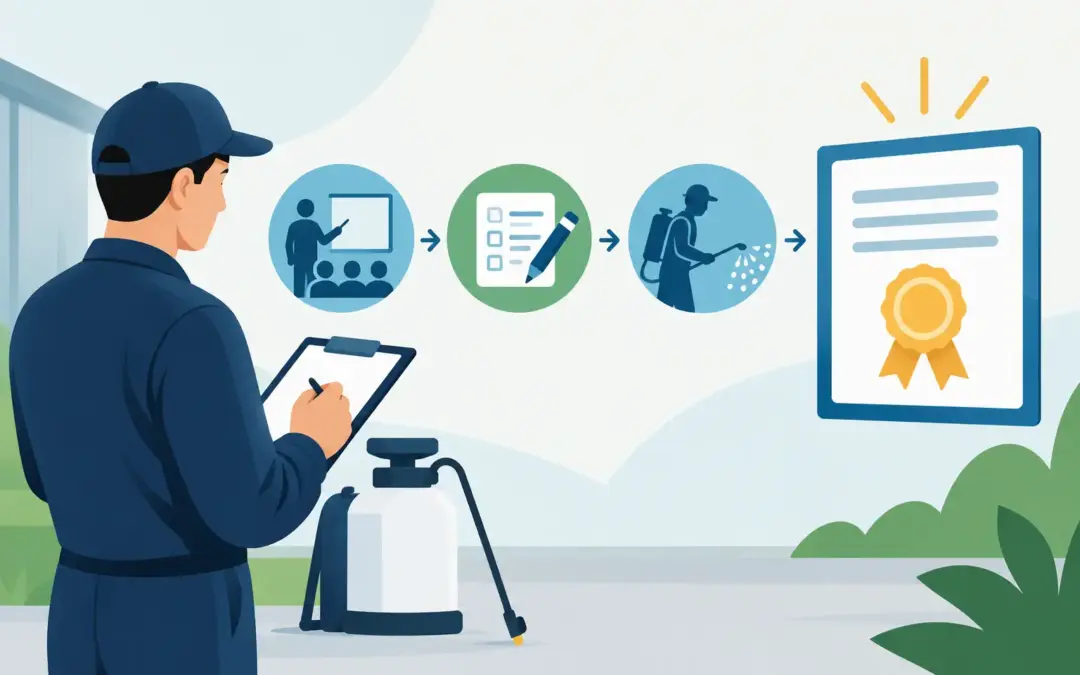
The exact applicator certification process varies by technology provider and service model, but a well-designed program usually moves from business qualification to technical training, hands-on application, and ongoing quality support. Each stage serves a purpose: helping qualified professionals deliver dependable results while building a profitable operation.
1. Business Qualification and Market Fit
Certification typically starts with a conversation about the applicant’s business, experience, service area, and goals. Established roofers may already understand roof inspections, jobsite safety, and homeowner sales. Exterior cleaning professionals may bring strong customer relationships and field crews but need more roofing-specific education. Entrepreneurs can also be a fit when they are prepared to build the right operational foundation.
The key question is not whether an applicant has done every type of roofing work. It is whether the business can responsibly represent a specialized restoration service. That means having the capacity to inspect roofs accurately, communicate professionally, schedule work reliably, and follow a defined operating process.
Service territory is also part of the conversation. A protected or designated territory can give an applicator room to develop local awareness without competing against an oversaturated network. Territory availability depends on the market, so applicants should ask direct questions about boundaries, growth opportunities, and expectations for serving the area.
2. Product Knowledge and Roof Assessment Training
A quality certification program teaches applicators why asphalt shingles deteriorate and how a restorative treatment is designed to address aging at the material level. The goal is not to turn every contractor into a chemist. It is to give them enough technical understanding to make sound recommendations and explain the value in plain language.
Training should cover how to evaluate shingle condition, identify granule loss, look for cracking or brittleness, inspect flashing and penetrations, and document pre-existing conditions. Applicators also need to understand exclusions. A restoration treatment may be an excellent option for a weathered roof that remains fundamentally serviceable, but it is not a substitute for correcting active leaks, damaged decking, or severe installation failures.
This step helps contractors sell with credibility. Instead of leading with a generic price comparison, they can show homeowners why their particular roof may qualify for restoration and where replacement remains the better choice.
3. Application Procedures and Jobsite Safety
The application itself must be repeatable. Certification training commonly covers preparation, cleaning requirements when needed, weather considerations, equipment use, application technique, property protection, and final inspection. Small details matter. Overspray prevention, landscape protection, roof access, and proper coverage rates all influence the customer experience and the finished result.
Applicators should also learn how weather affects scheduling. Conditions such as rain, excessive wind, surface moisture, or unsuitable temperatures can change how a job is performed or whether it should proceed that day. A professional operation does not force an appointment simply because it is on the calendar. It protects the result first.
For Roof Shield applicators, this disciplined approach supports the promise behind a proprietary biodegradable treatment designed to restore flexibility, reduce ongoing granule loss, revitalize color, and extend the functional life of qualifying asphalt shingle roofs.
4. Field Validation and Quality Standards
Knowledge is only useful when it translates to work performed correctly in the field. Many certification models include a practical review, supervised initial jobs, documented job photos, or another form of validation before an applicator operates independently. This stage is where training becomes a reliable customer-facing service.
Quality standards should continue after initial certification. A strong network provides guidance on job documentation, customer agreements, warranty registration, issue resolution, and ongoing product or process updates. That support is especially valuable as an applicator grows from a few restoration jobs into a dedicated local revenue stream.
What Certification Can Mean for Your Business
Adding roof restoration can change the conversation with homeowners who are not ready for a replacement estimate. Rather than walking away from a roof that is aged but still viable, a contractor can offer a lower-cost option that helps preserve the existing roofing asset. That can create revenue from a customer segment that might otherwise delay any decision for years.
The opportunity is not limited to one type of contractor. Roofing companies can use restoration to create an earlier relationship with homeowners and potentially earn future repair or replacement work. Roof-cleaning and exterior-maintenance businesses can add a higher-value service that complements their existing routes and customer base. For entrepreneurial operators, a specialized treatment can provide a clear market distinction from general contractors competing only on replacement price.
There are trade-offs. Certification requires time, investment, process discipline, and a willingness to follow brand and quality standards. It is not a shortcut for companies that want to sell a treatment without inspecting roofs carefully. The best fit is a business that sees value in doing the work correctly, documenting it well, and building referrals through visible results.
What Homeowners Should Expect From a Certified Applicator
Homeowners should expect more than a quick sales pitch. A certified applicator should inspect the roof, discuss its condition honestly, and explain whether restoration is appropriate. They should address questions about preparation, application timing, expected appearance, cleanup, and available warranty coverage before work begins.
They should also be willing to say no when the roof is beyond the scope of restoration. That answer may be disappointing, but it is a sign of professional judgment. The right provider protects the homeowner from spending money on a service that cannot deliver the intended value.
When a roof qualifies, restoration can reduce the disruption, expense, and landfill waste associated with premature tear-off. It allows homeowners to protect curb appeal and maintain a critical home asset while making a more resource-conscious choice.
Questions to Ask Before You Begin Certification
Before joining any applicator network, ask how training is delivered, what hands-on support is available, and how quality is measured after certification. Clarify the initial investment, equipment needs, product access, territory terms, marketing resources, lead-generation guidance, and warranty responsibilities.
It is also wise to ask what happens when a job presents an unusual condition. A responsive support system matters because roofs rarely follow a script. The ability to get practical answers before, during, or after a project can protect both customer satisfaction and profit margins.
The strongest applicators do not treat certification as a box to check. They use it as the operating standard for every roof they assess, every homeowner they advise, and every local reputation they build. That commitment is what turns a differentiated service into a lasting business advantage.